
Explore
Villages
33 articles
 Villages
Autumn Day Trips from Barcelona and What Still Opens
Off-season the same garden costs a third less: Marimurtra in Blanes drops from 15 € to 10 €. The catch is that small-town museums reopen after August on mornings only, so an afternoon arrival finds a locked door, and eleven of these towns are reachable by train without a car.
 Villages
Blanes, the rock where the Costa Brava officially begins
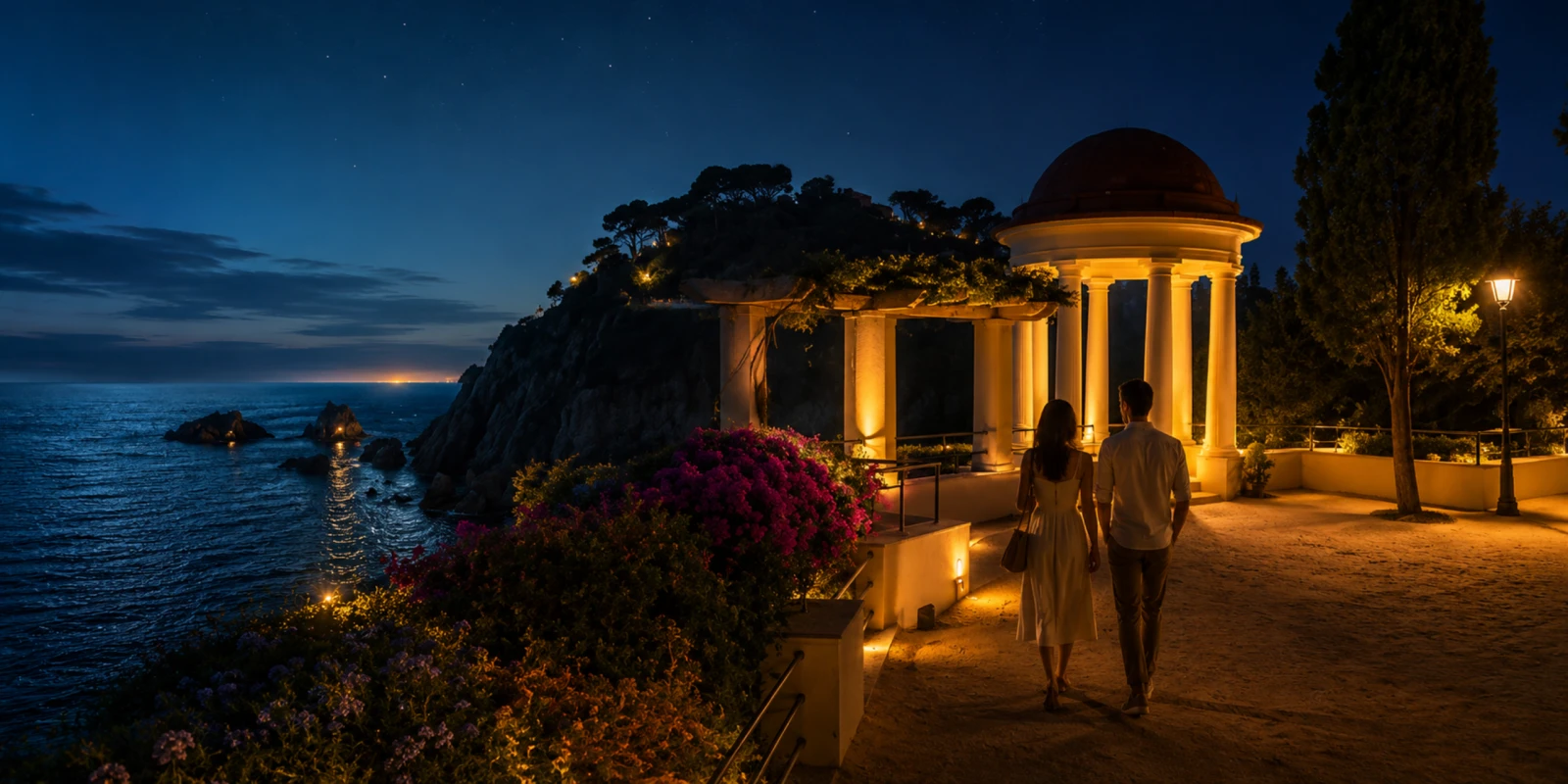
Sa Palomera is the rock that marks where the Costa Brava begins, 70 km north of Barcelona. The Marimurtra garden above the harbour charges €10 all day in low season and €15 at the gate in high, but €10 again from 14:00, and the road train from Plaça Catalunya stops right at its door.
 Villages
Calella, the Maresme resort with a lighthouse and a bunker
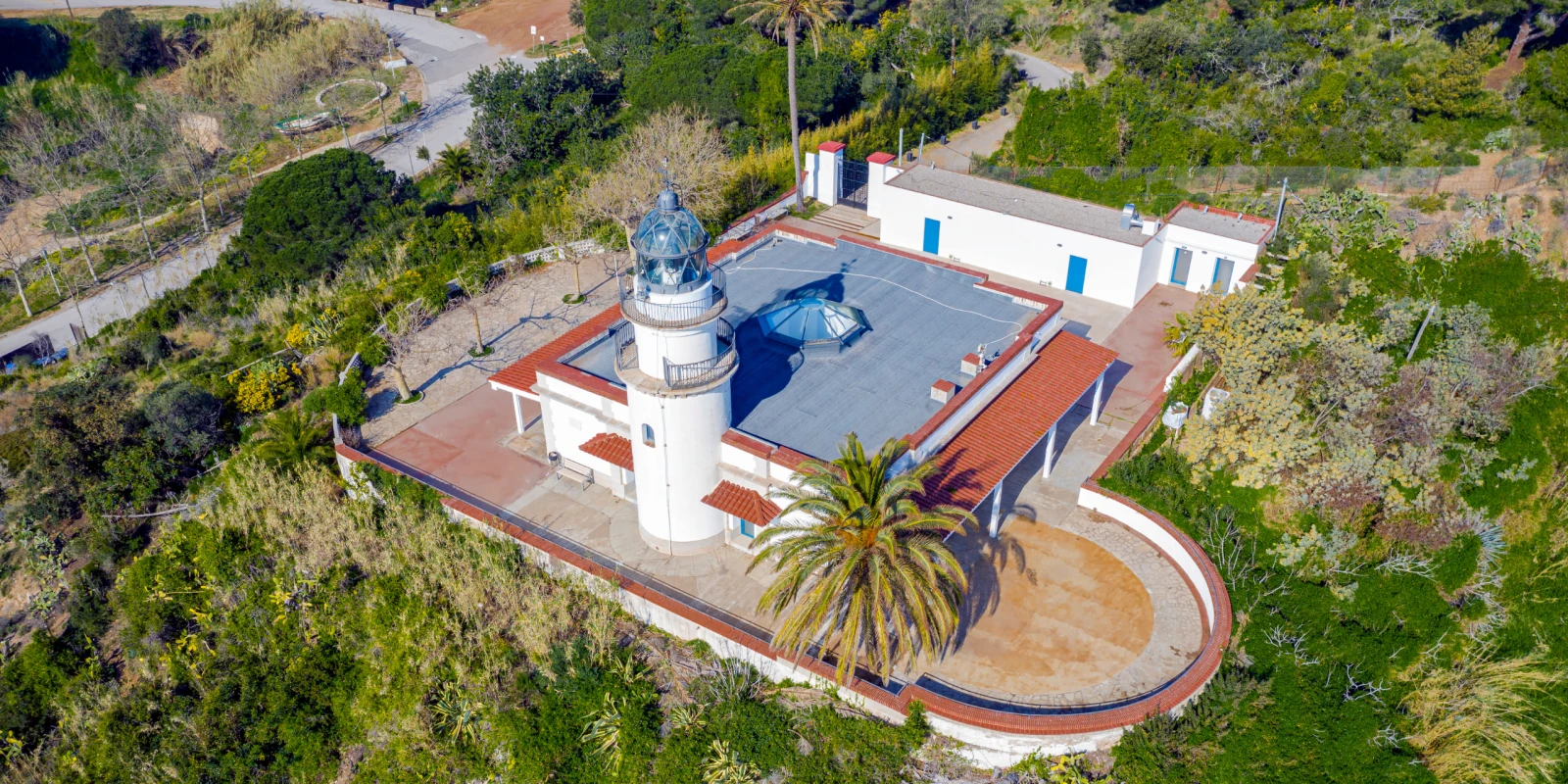
Standard entry is €2 per site, €1 reduced, and a combined ticket for the air-raid shelter, the museum and the lighthouse costs €3.50. The lighthouse centre closes completely from 1 November to 31 March, and opens 17:00-21:00 from July to September. Calella sits 50 km from Barcelona on the R1.
 Villages
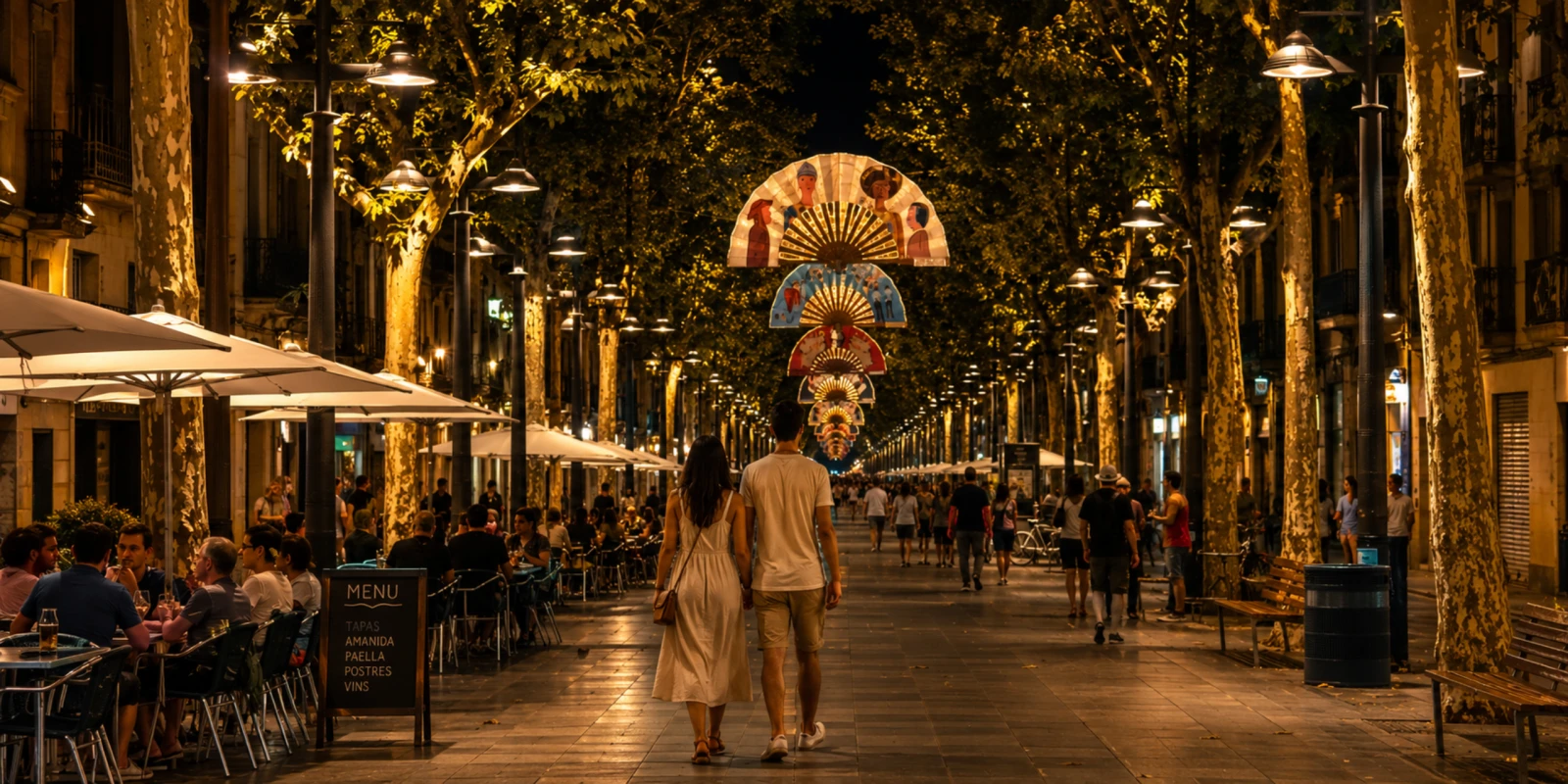
Canet de Mar, where the Palau de la Música was rehearsed
Domènech i Montaner tested the Palau de la Música columns on his own workshop wall here. He bought the house in 1886 for 42 pesetas because his wife was born in the village, and it now charges €5, or €2 reduced and €1.50 with the Barcelona Pass Modernista. The hilltop castle was Horn Hill.
 Villages
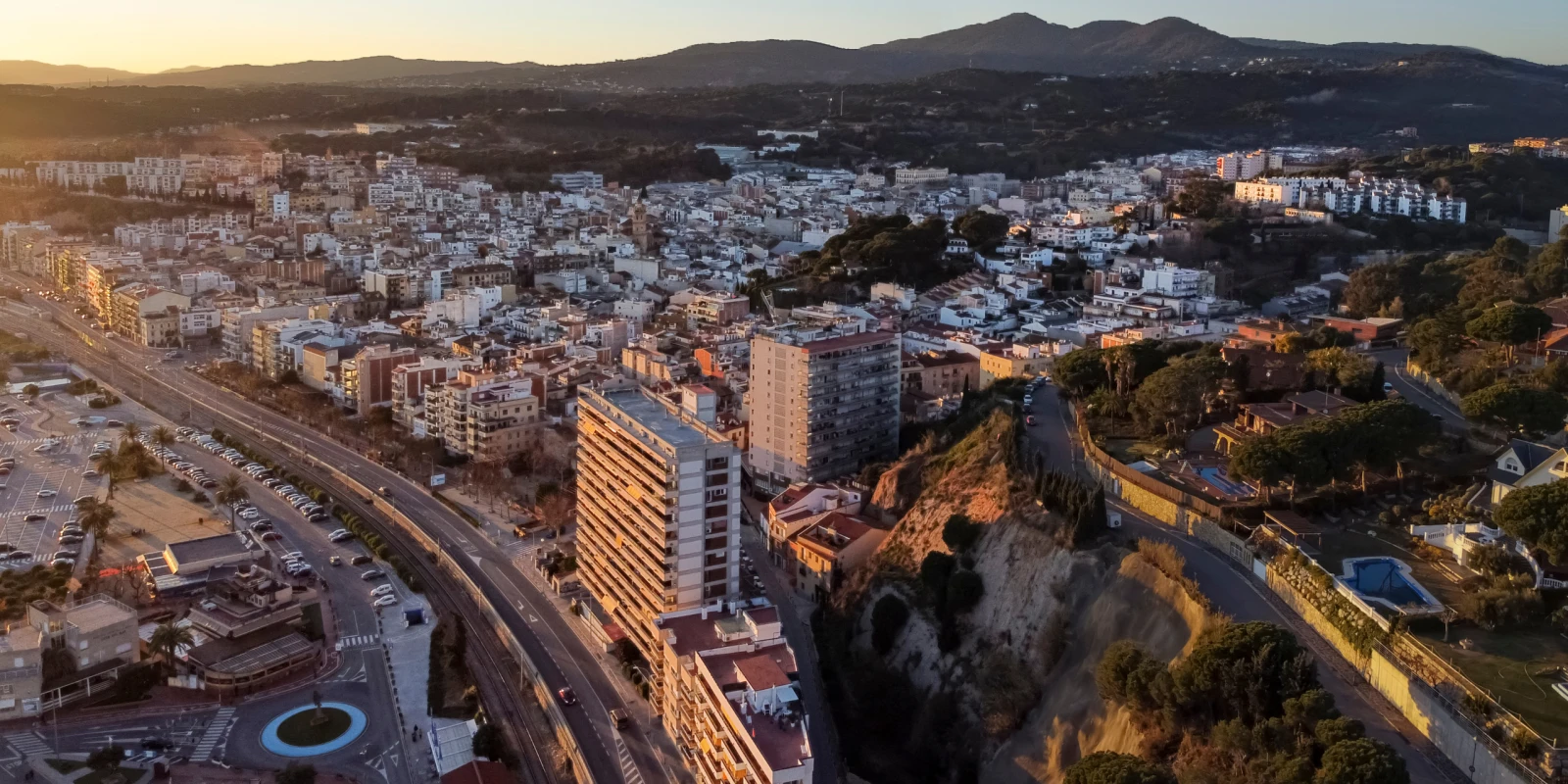
Vilanova i la Geltrú, where the Prado lends an El Greco
The Víctor Balaguer costs €5.00, €2.50 reduced, and is free on Thursdays from 19:00 to 21:00 and the first Sunday of the month; it holds a permanent Prado loan with Ribera, Murillo and El Greco. The Railway Museum is €8.50, and the TICKETMUSEUSVNG covers every museum in town for €10.
 Villages
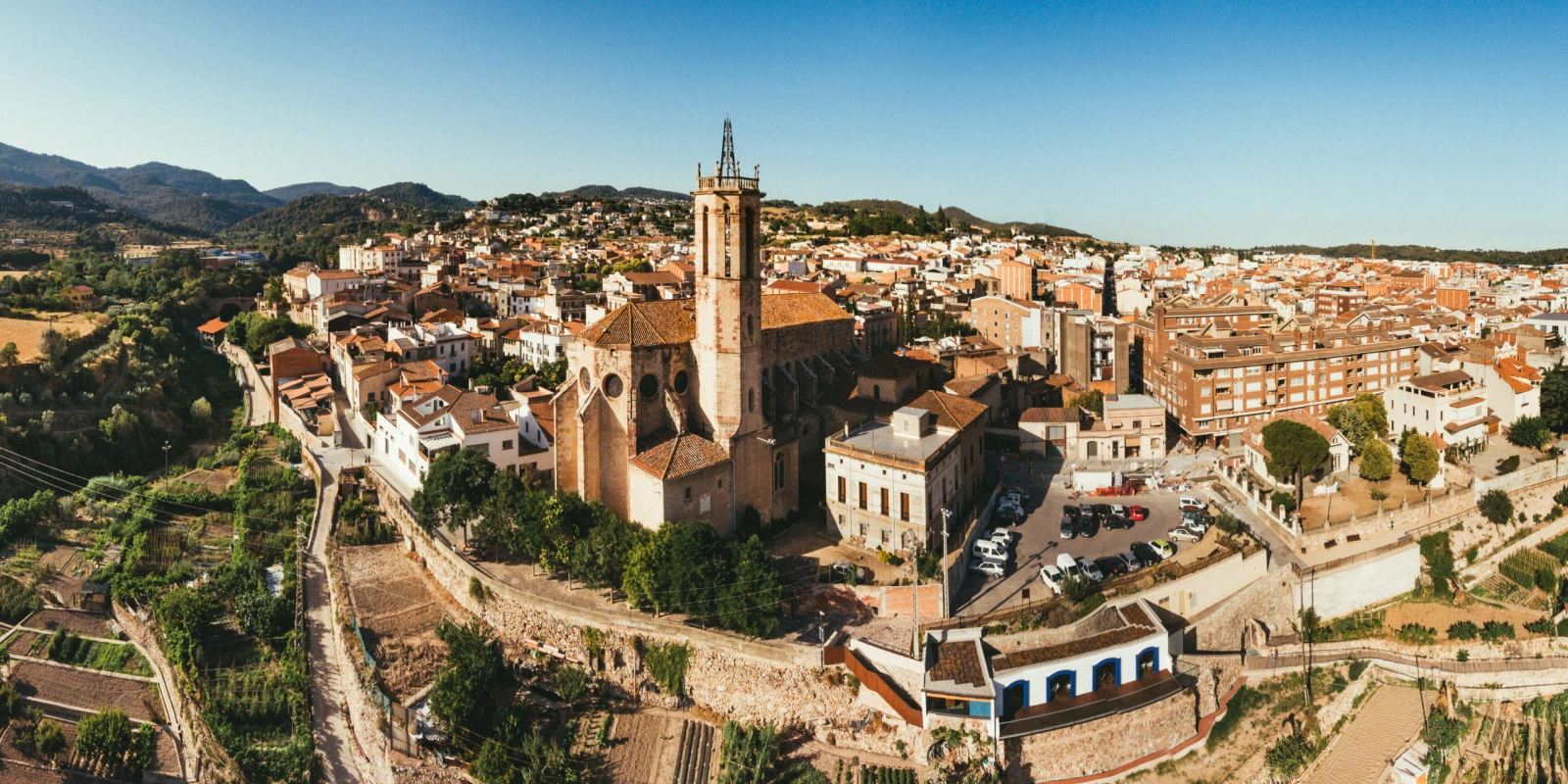
Arenys de Mar, the fishing town that runs on a timetable
A €3.50 ticket, or €2.00 reduced, covers both museums, which open mornings only and close all August. The guided visit to the baroque altarpiece runs Saturdays at 11:00 for €2.00, and the fish auction starts at 16:00, Monday to Friday. The Sinera cemetery opens daily until 19:00 in summer.
 Villages
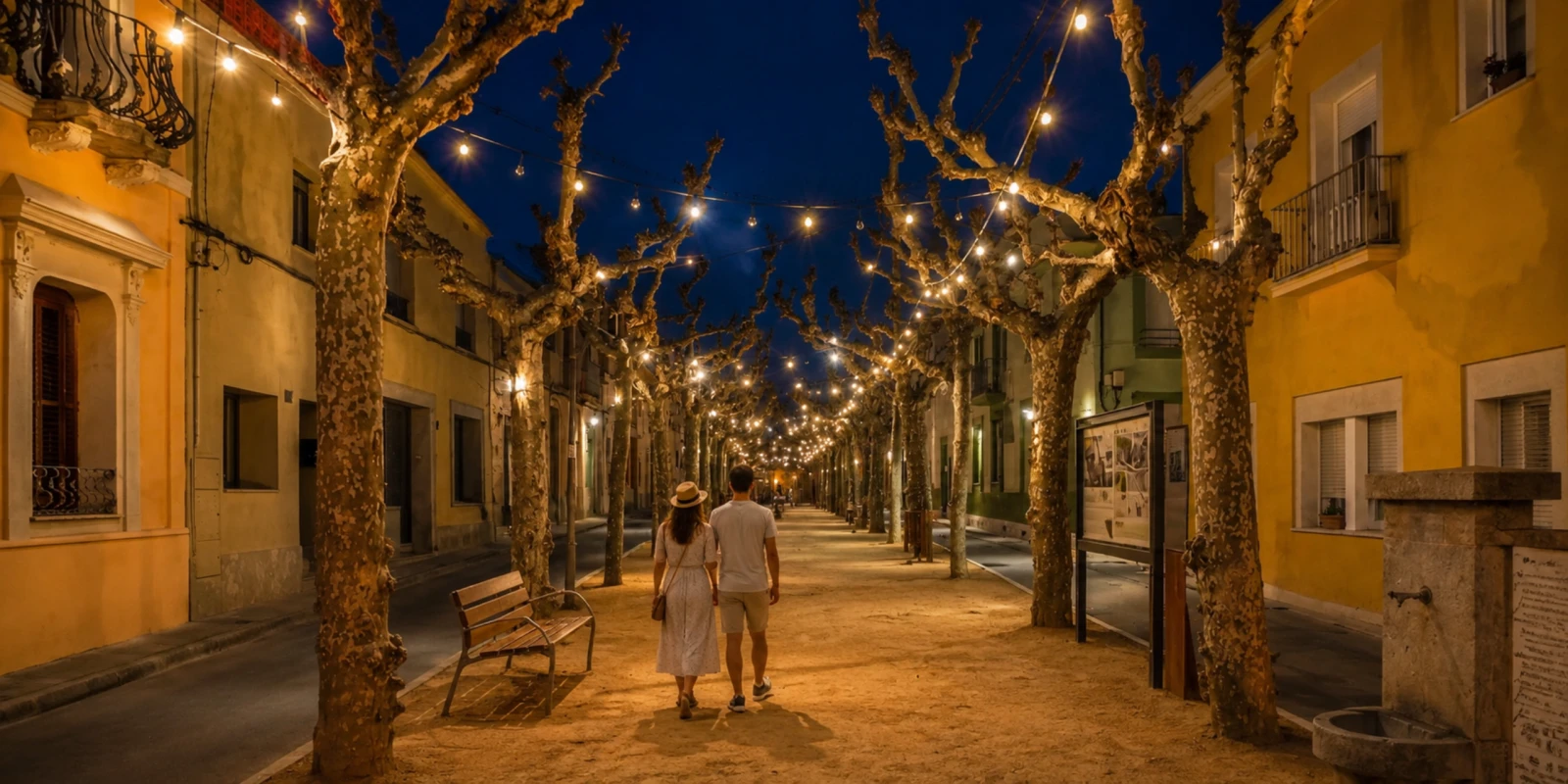
Caldes de Montbui, the Thermal Town With a Picasso
The Thermalia museum holds ceramics, lithographs and drawings by Picasso alongside the Manolo Hugué collection, for 3.70 euros, or 2.35 reduced and free for under-10s. The Font del Lleó runs at 74 degrees. There is no railway station: the Sagalés e9 bus goes every 20 to 30 minutes.
 Villages
Caldes de Malavella, Where Vichy Catalan Comes From
Five public fountains give the thermal water away at 56 to 60 degrees: La Granja, Font de la Vaca, Font de la Mina, Bullidors and Sant Narcís. Three hills feed three bottled brands, and the Roman baths on Puig de Sant Grau were built between AD 40 and 50. The guided route costs 3 euros.
 Villages
Catalonia Without a Car, Where You Can Actually Get
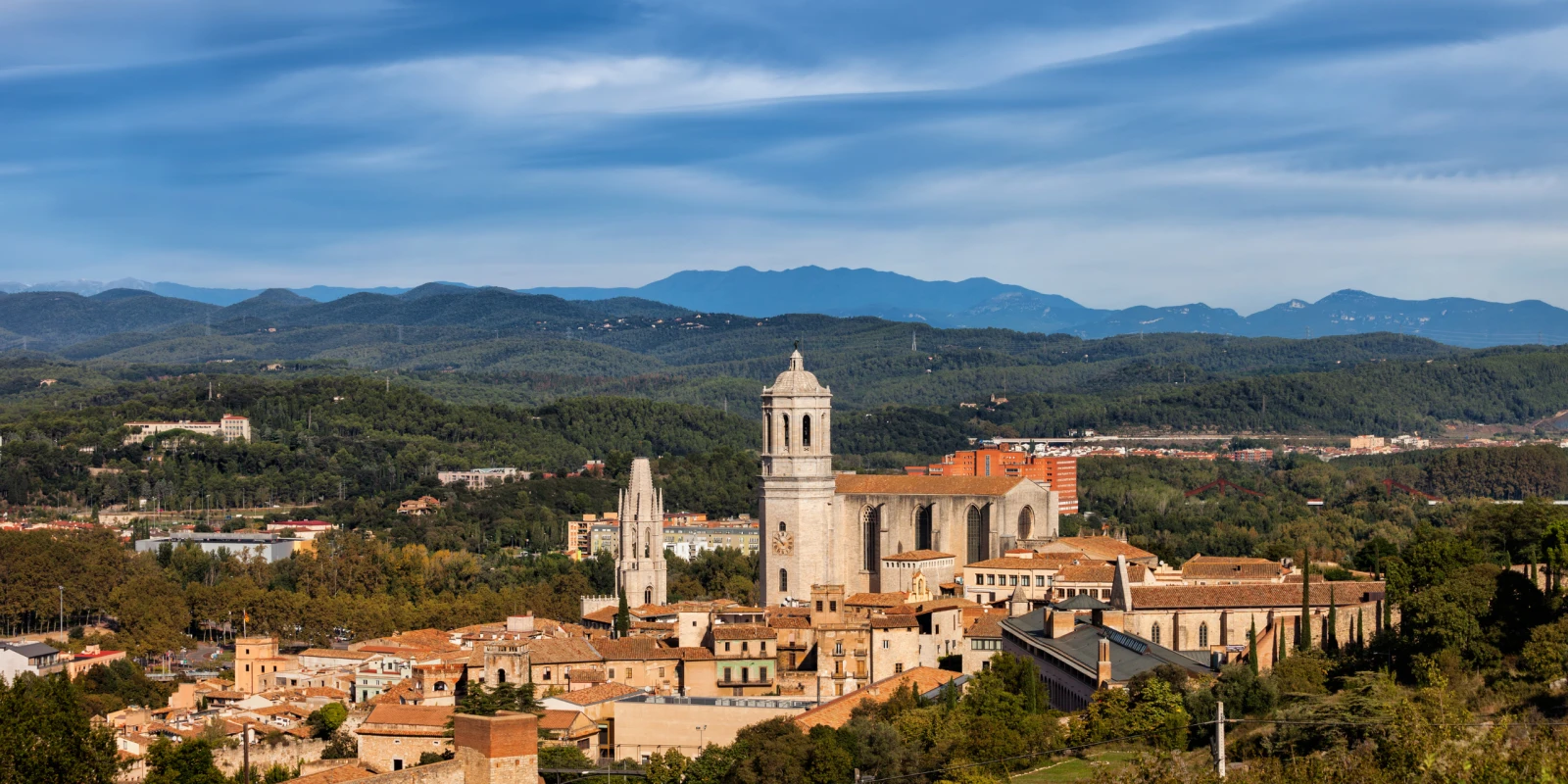
Eleven destinations have a direct train from Barcelona: Sitges in about 40 minutes, Girona in 38 by AVE and Sant Sadurní in 45. Seven more run on coaches from Estació del Nord, with Calella de Palafrugell at 2 hours. Eight villages, mostly Pyrenean, have no public transport at all.
 Villages
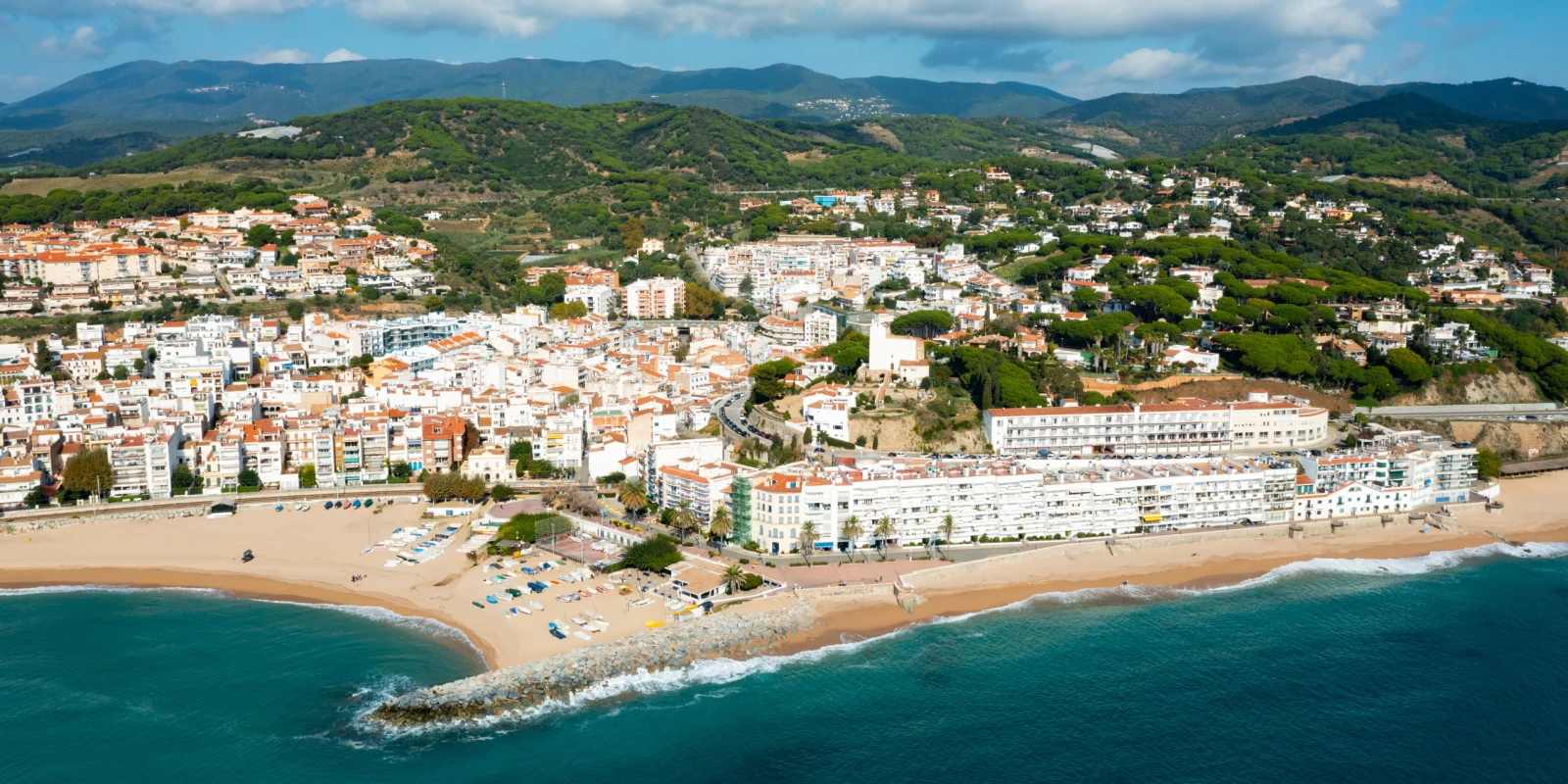
Sant Pol de Mar, where the train stops on the sand
The R1 platform sits beside the sand, so there is no walk from station to beach, and trains run every 15 minutes at peak and every 30 the rest of the day. The village holds 5,793 people 49 kilometres north of Barcelona. Its hilltop hermitage opens only by arrangement, on 93 760 04 51.
 Villages
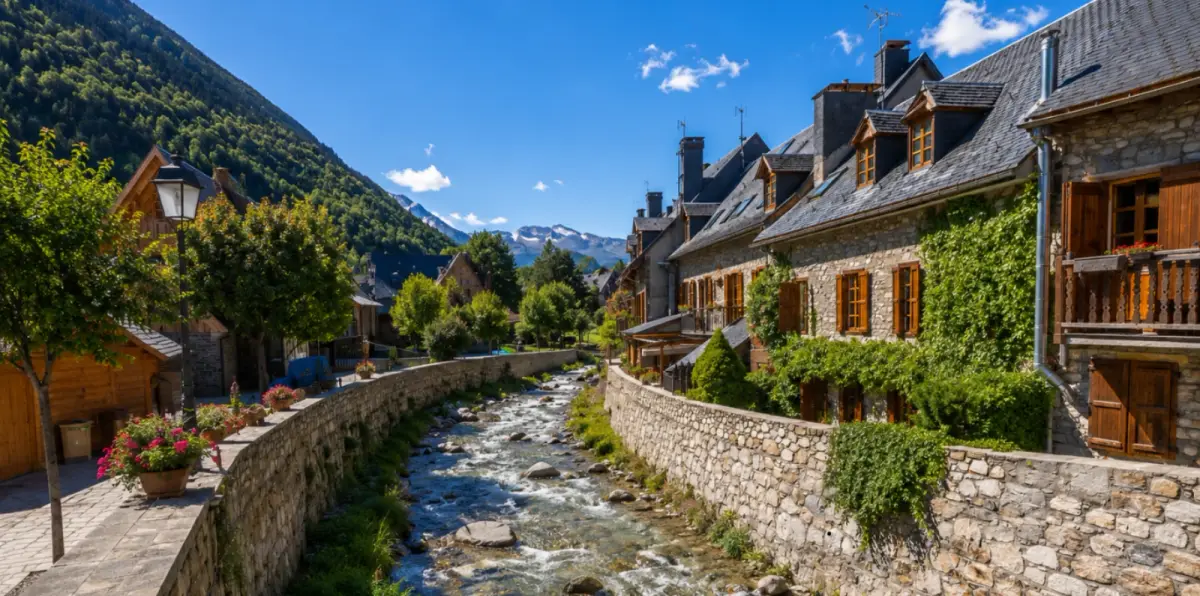
Arties, One of the Prettiest Villages in the Val d'Aran
Arties is recognised as one of the prettiest villages in Spain, in the Val d'Aran at the meeting of the Garona and Valarties rivers. Its Romanesque church of Santa Maria hides powerful Gothic Last Judgment paintings, and among its mansions is the one tied to Gaspar de Portolà, the first governor of California. Its open-air thermal baths at around 39 degrees and its Aranese cooking make it an ideal base near the Baqueira ski slopes. It's about 4 h from Barcelona. Here's what to see and how to plan it.
 Villages
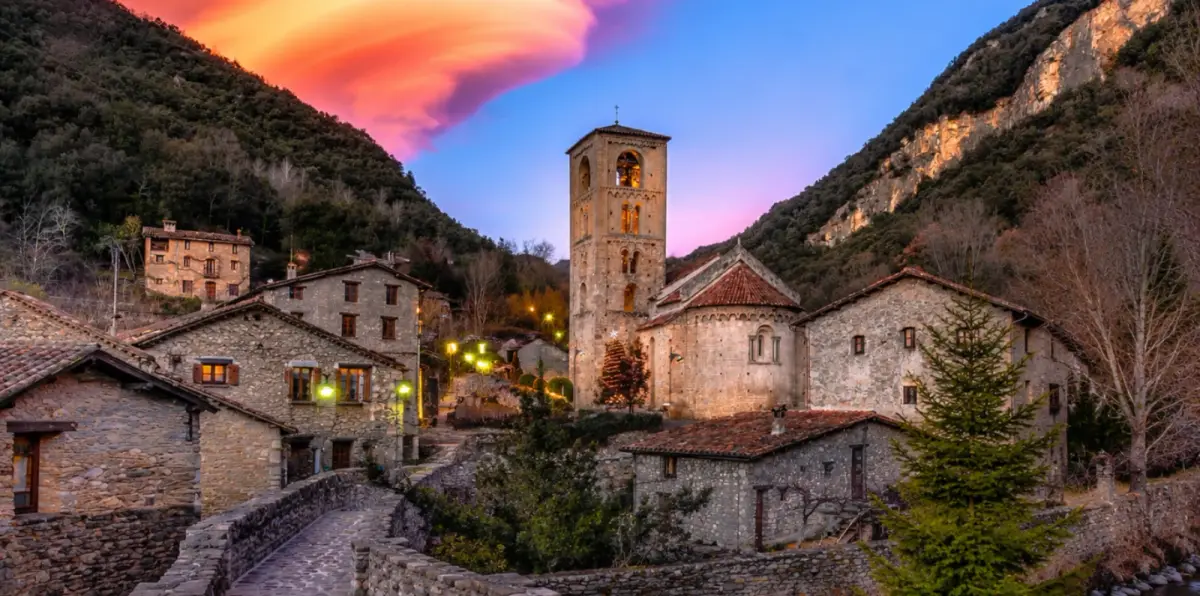
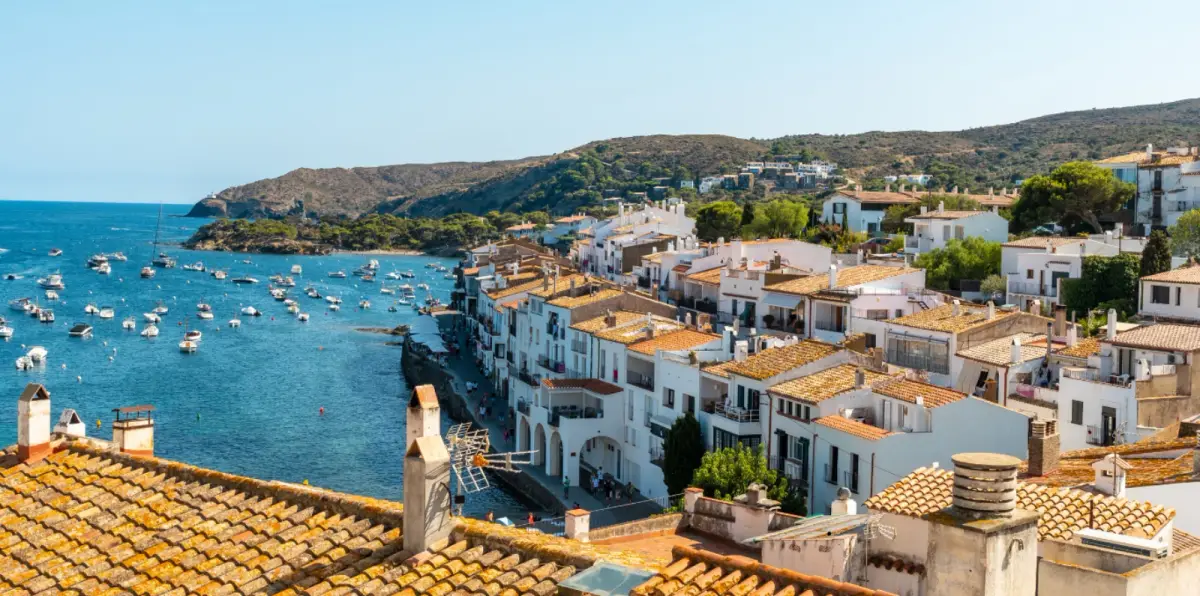
Beget, the Medieval Village in the Alta Garrotxa
Beget is a tiny medieval village in the Alta Garrotxa, with barely thirty residents and no traffic lights or souvenir shops. Its Romanesque church of Sant Cristòfol, from the 12th century, has a 22-metre bell tower and holds the Majestat de Beget, a wooden carving nearly two metres tall that villagers hid during the Civil War. Its two medieval stone bridges over the river Llierca are its most photographed image. You can walk all of it in under an hour, but the drive in is the part to plan. Here's what to see and how to get there.
 Villages
The Prettiest Villages in the Catalan Pyrenees
There's no single prettiest village in the Catalan Pyrenees, because each valley has its own character, so the best way to choose is by area. The Vall de Boí holds the UNESCO World Heritage Romanesque, with Taüll and its six-storey bell tower. The Val d'Aran brings alpine stone and black slate, with Vielha, Bagergue and Arties. Cerdanya adds high-plateau villages like Llívia, ringed by France. And the Ripollès keeps medieval stone villages like Beget and Camprodon. A guide organised valley by valley.
 Villages
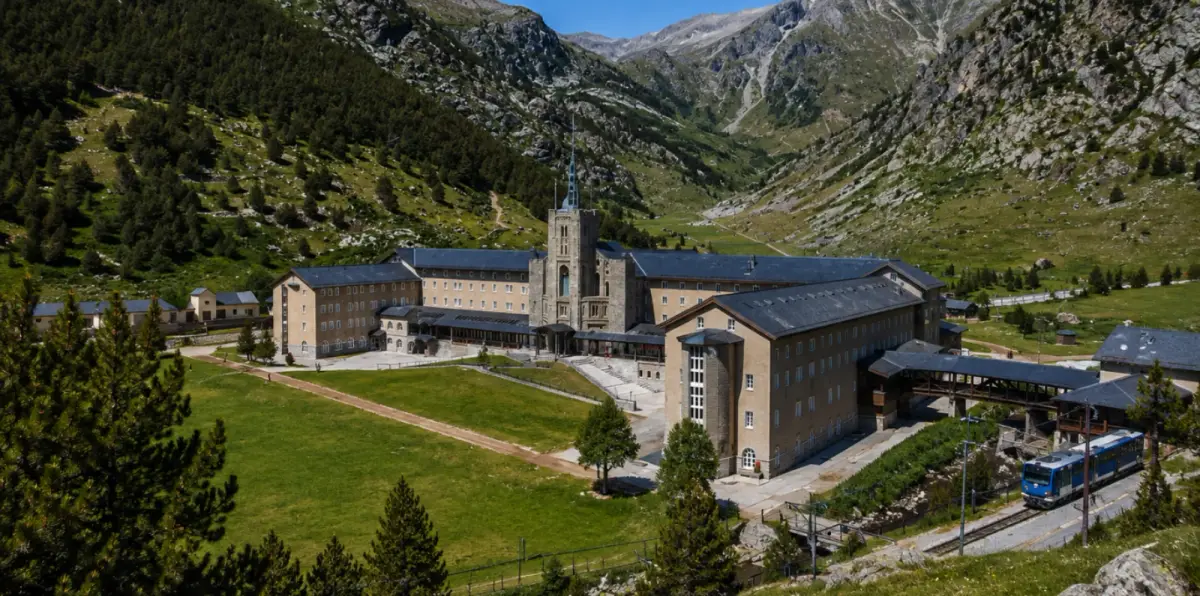
Queralbs, the Gateway to the Vall de Núria
Queralbs is a stone village in the Ripollès, with fewer than 200 residents, best known as the gateway to the Vall de Núria. Its Romanesque church of Sant Jaume stands out for a six-arch porch on columns with carved capitals. And from here, the last village reachable by car, Núria can only be reached on foot or by the historic rack railway. The old path to Núria, about 7 kilometres through a gorge with waterfalls, is one of the classic Pyrenees hikes. Here's what to see and how to plan the visit.
 Villages
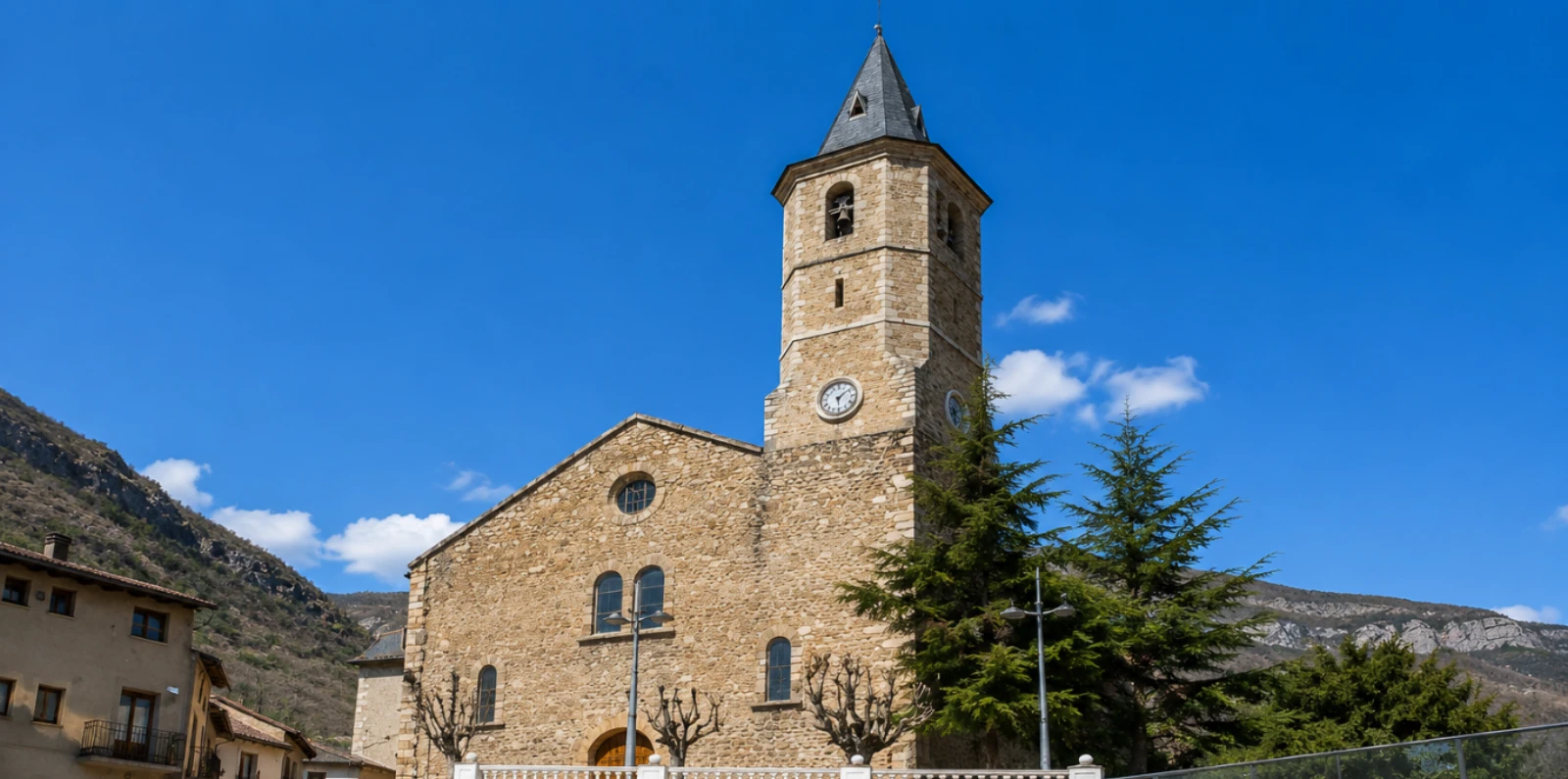
Sort, the Adventure Capital of the Catalan Pyrenees
Sort, the capital of the Pallars Sobirà, is the Pyrenees' adventure hub thanks to the river Noguera Pallaresa, one of Europe's best for rafting. But it's not only white water: it keeps an old town with the church of Sant Feliu and the ruins of the Counts of Pallars castle, is home to the famous La Bruixa d'Or lottery office and the Path of Freedom prison-museum, and boasts mountain food like tupí cheese and xolís sausage. It's about 3 h from Barcelona.
 Villages
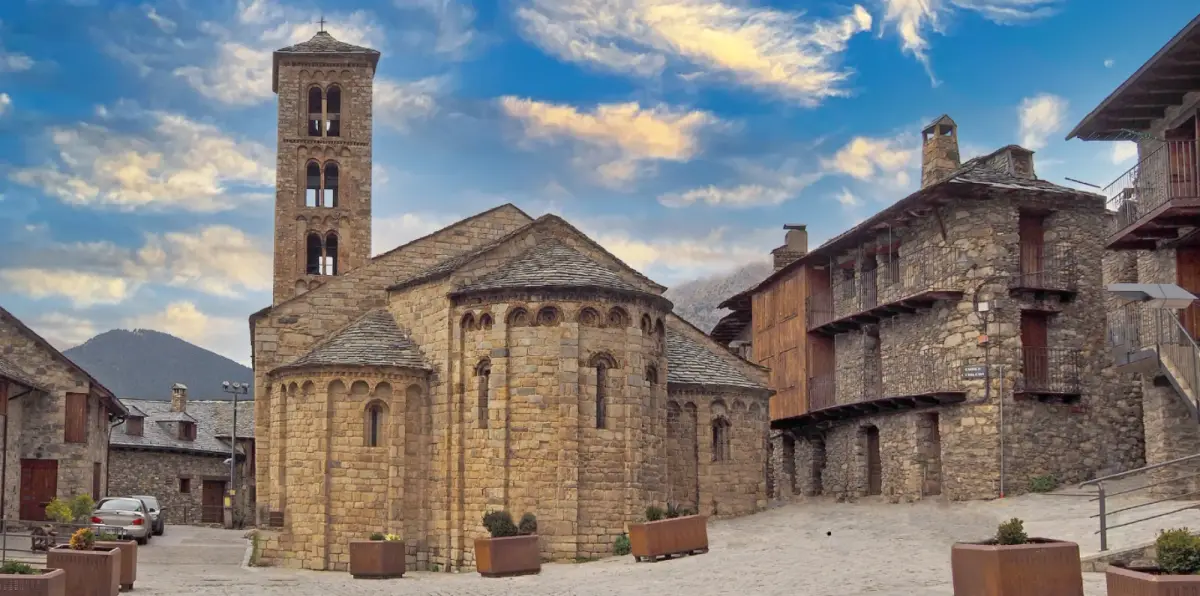
Taüll, the Romanesque Village in the Vall de Boí
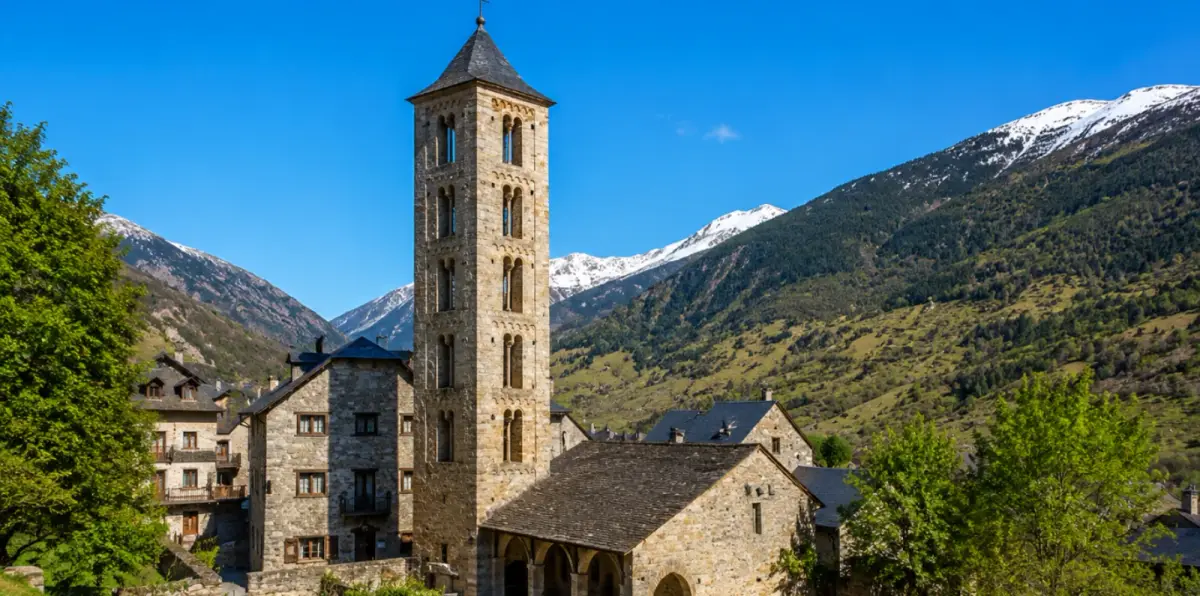
Taüll is a small stone village in the Vall de Boí, but it holds one of Europe's most complete sets of Romanesque art. Its church of Sant Climent is UNESCO World Heritage, with a six-storey bell tower and a video projection that recreates the Pantocrator fresco, whose original hangs in the MNAC in Barcelona. Santa Maria, on the square, rounds off the visit and is free. And beyond the art, Taüll is the gateway to the Aigüestortes national park and to Catalonia's highest ski resort. Here's what to see, what to do and how to plan the trip.
 Villages
Vall de Boí, Nine Romanesque Churches and Aigüestortes
The Vall de Boí holds nine Lombard Romanesque churches (eight churches and one hermitage) listed as UNESCO World Heritage, the densest set of its kind in Europe, spread among stone villages like Taüll, Boí, Erill la Vall and Durro. It's also the gateway to the Aigüestortes national park, Catalonia's only one, with glacial lakes and boardwalks. Add the Caldes de Boí spa and the Boí Taüll ski resort, and one small valley covers heritage, hiking and snow. Here's how to see it, village by village.
 Villages
Vielha, the Capital of the Val d'Aran
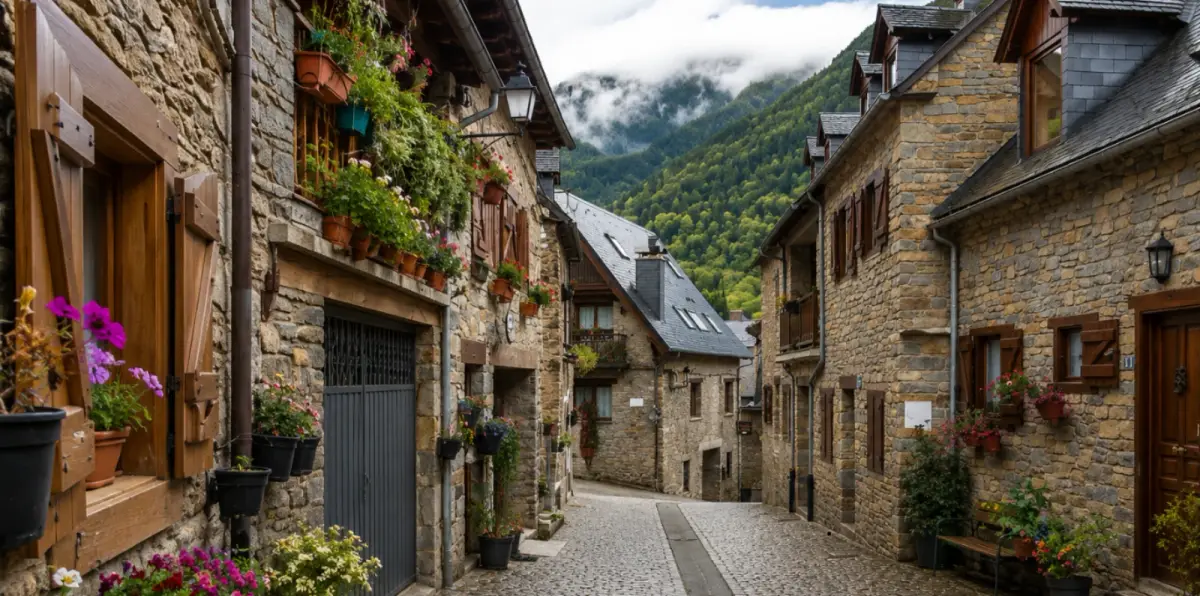
Vielha is the capital of the Val d'Aran, a lively town at around 1,000 metres, crossed by the Garona and Nere rivers. Its church of Sant Miquèu holds the Crist de Mijaran, a 12th-century wood carving, and its old town gathers museums like the Museu dera Val d'Aran. It's the best base for skiing at Baqueira Beret and for exploring the valley, with good Aranese food. It's about 4 h from Barcelona. Here's what to see and do.
 Villages
Weekend Getaways from Barcelona, by How Long You Have
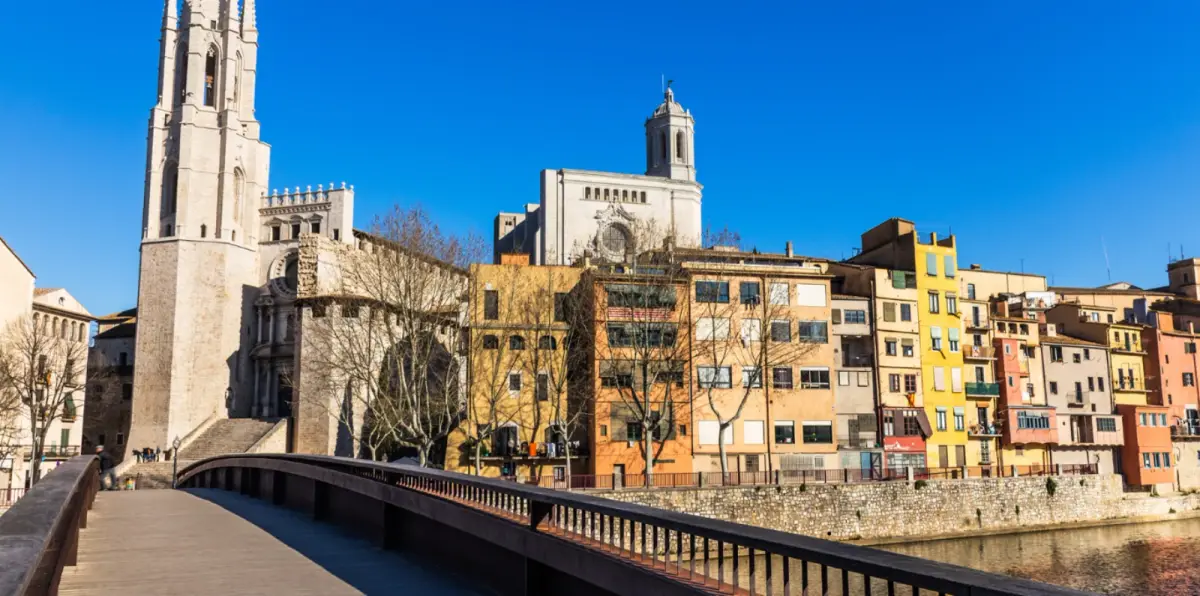
Sorted by the nights you actually have: Girona works in a single day at 38 minutes by high-speed train, Sitges at 36 on the R2 and Montserrat at about 1h 15 combining the R5 with the rack railway. Vall de Boí needs two full days and a four-hour drive for its 9 UNESCO Romanesque churches.
 Villages
Roman Tarragona in a Day, Tarraco Walking Guide
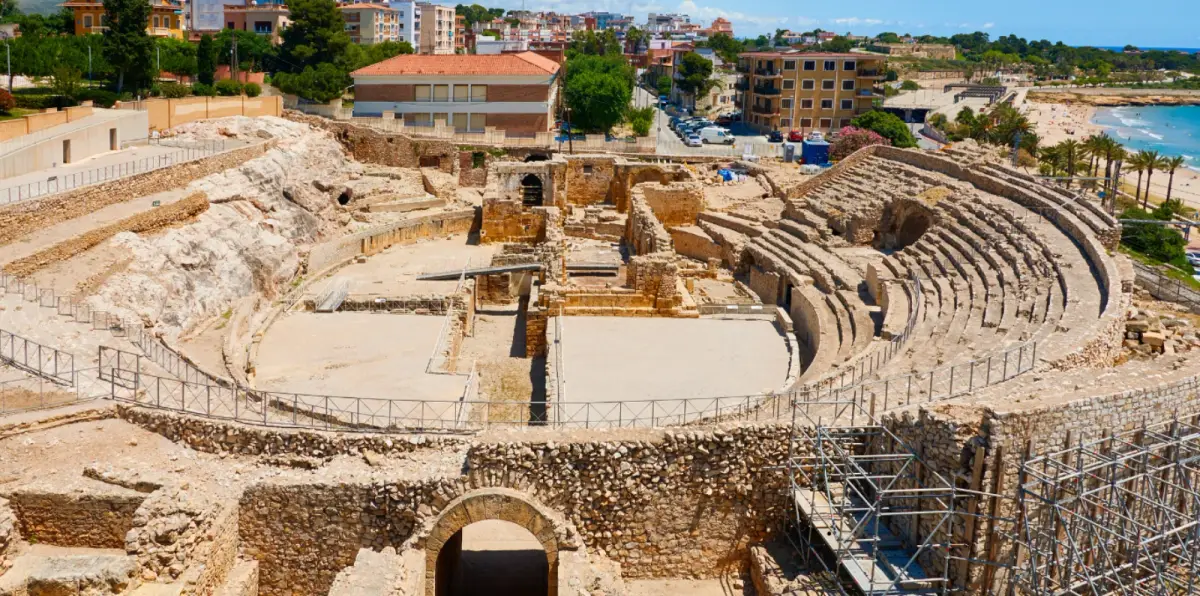
Tarraco was the capital of Roman Hispania, and its best-preserved monuments sit within a single square kilometre of old town that you can walk in one day. Individual entry is €5, the combined Museum of History ticket €15, and the whole site has been a UNESCO World Heritage listing since 2000. This guide maps the walls, circus, praetorium, amphitheatre and aqueduct in walking order, with real prices, train times from Barcelona, and the three monuments currently closed for restoration.
 Villages
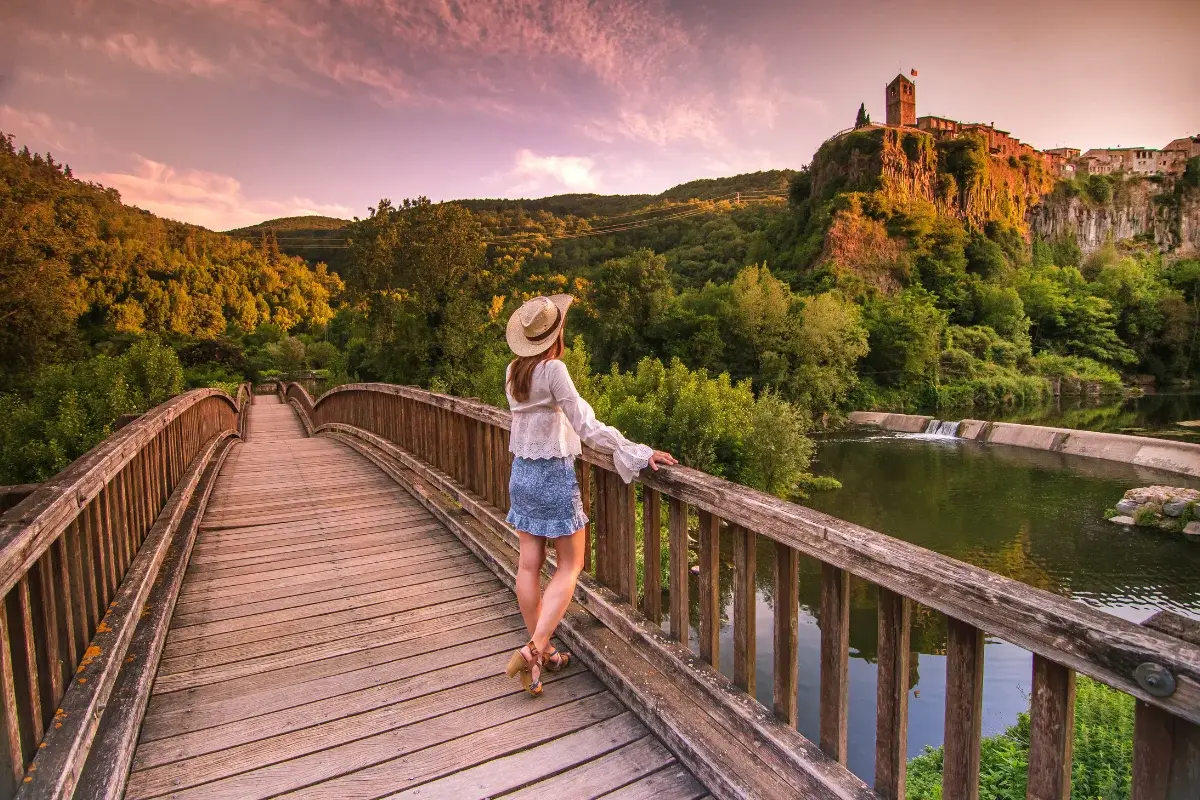
Castellfollit de la Roca: The Village Built on the Edge of a Basalt Cliff
Castellfollit de la Roca is built on a basalt cliff 50 metres high and nearly a kilometre long, formed by two superimposed lava flows from 217,000 and 192,000 years ago. The best photograph of the village is not taken from inside it — it's taken from below, at the Fluvià river, where the full wall of basalt columns with medieval houses hanging above becomes visible. In 2017, 70 tonnes of basalt fell into the riverbed. Geologists are currently monitoring a 17-metre crack under the main square.
 Villages
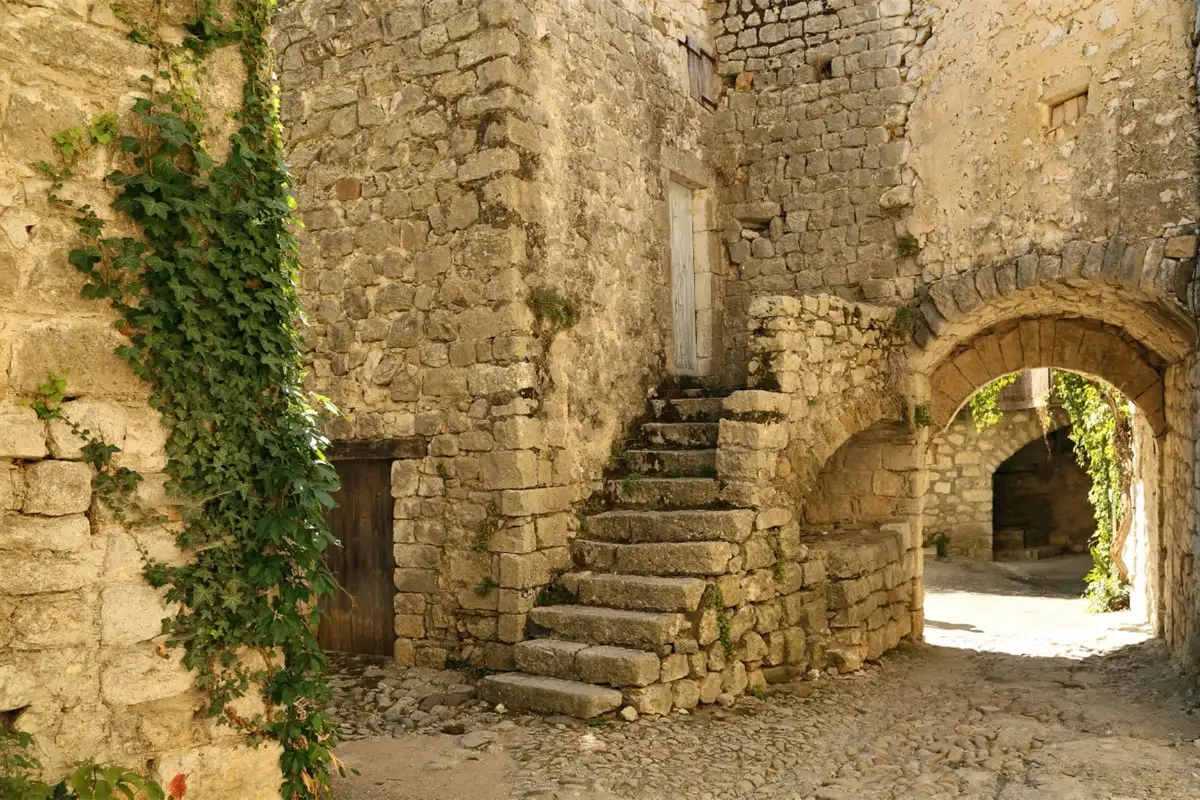
Pals: The Medieval Village With a Cold War Radio Station on Its Beach
Pals's Torre de les Hores survived the demolition of the castle because it had already been converted into a public clock. King Juan II authorised in 1478 the reuse of castle stones to rebuild the church and walls. Rice cultivation was banned between 1838 and 1900 due to malaria. And from 1959 to 2001, Radio Liberty — a CIA-funded Cold War propaganda station — broadcast from the pines behind the beach toward the Soviet Union.
 Villages
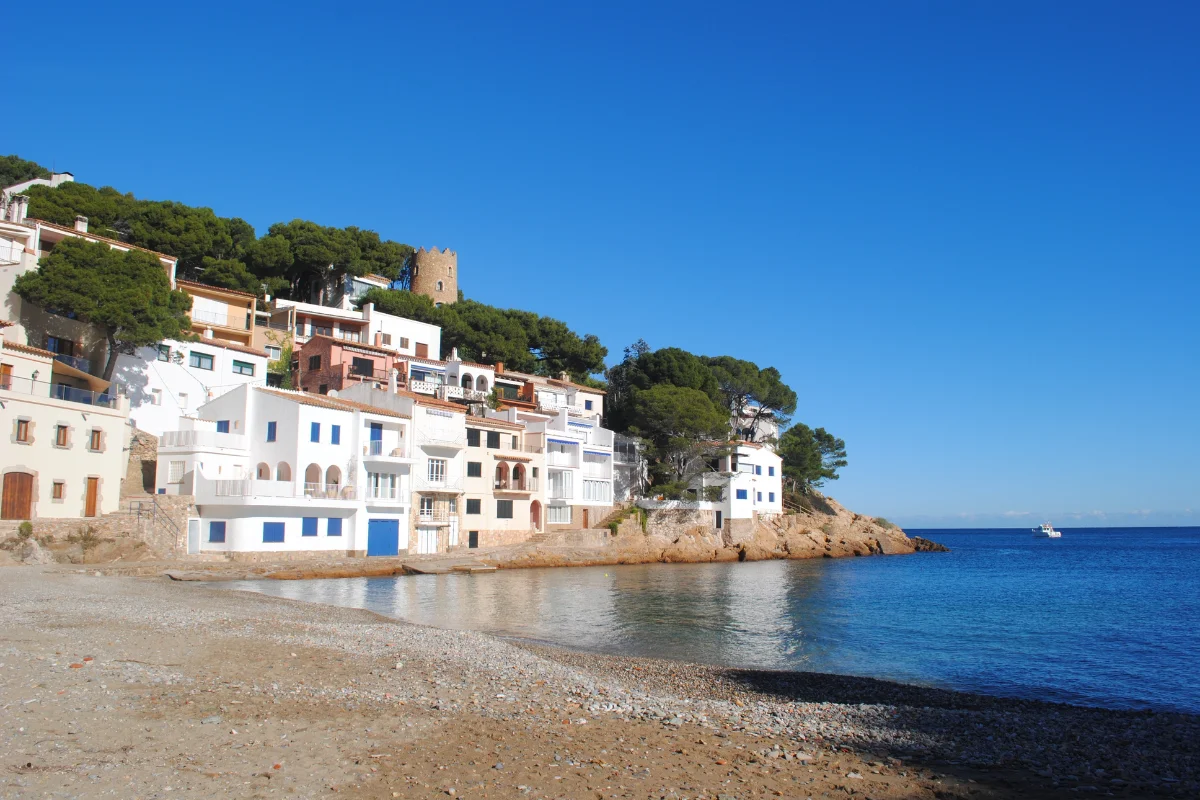
Begur: Where the Name 'Costa Brava' Was Invented, and Why the Town Looks the Way It Does
In 1908, journalist Ferran Agulló used the phrase 'Costa Brava' for the first time in a published article — written in Fornells, one of Begur's coves. Carmen Amaya, considered the greatest flamenco dancer of the 20th century, lived in a Begur defense tower from 1961 until her death in 1963, and personally financed the first illumination of the castle. The Platja del Racó's undeveloped state is a Cold War accident: a Radio Liberty transmitter station there for decades prevented the real estate speculation that consumed every neighboring stretch of coast.
 Villages
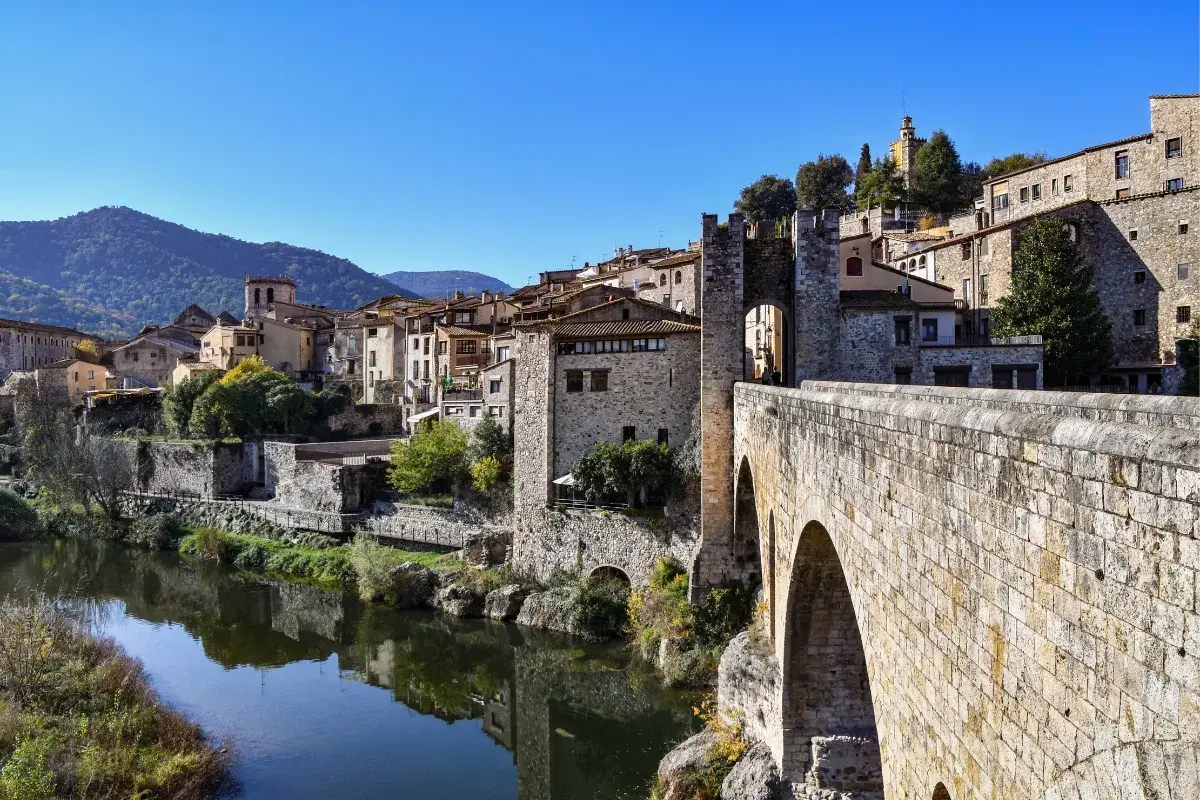
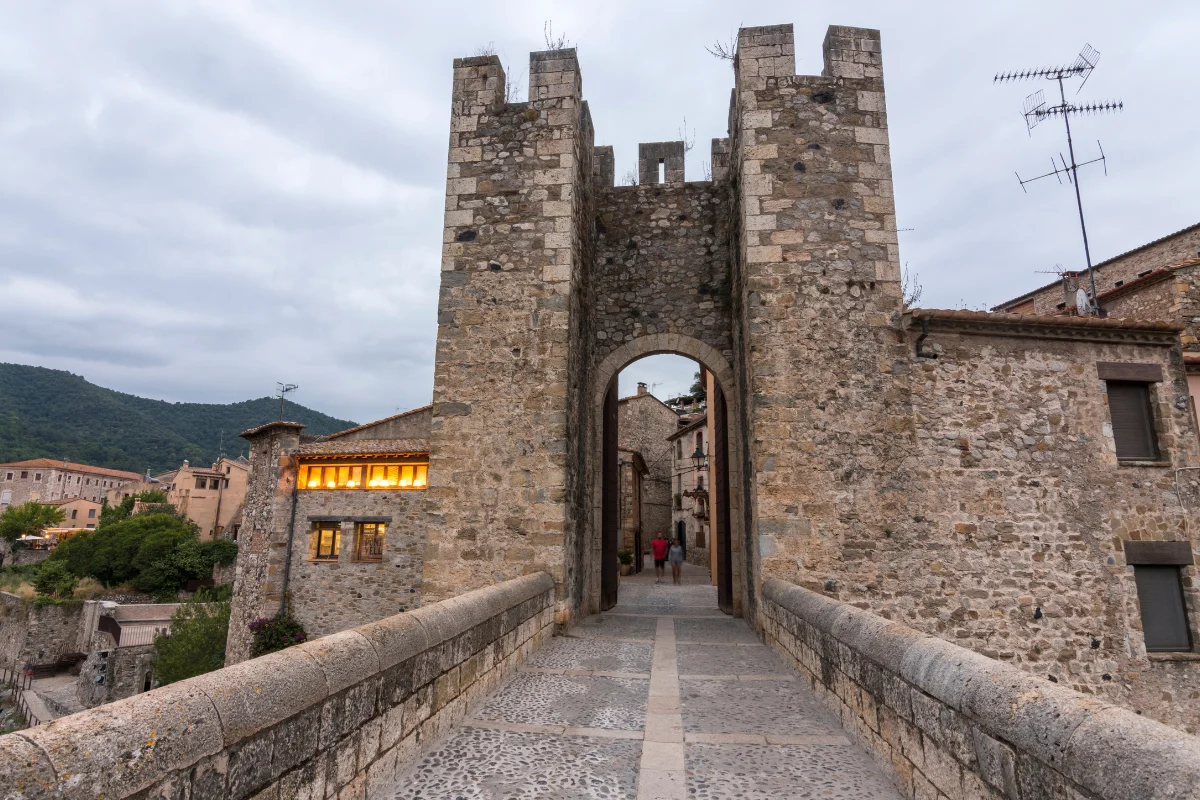
Besalú: The Medieval Town With a Secret Jewish Ritual Bath Found Under a Well
In 1964, a resident digging to install a well in Besalú broke through the floor and found a 12th-century underground chamber — later confirmed by rabbis as one of only four medieval Jewish ritual baths preserved in Europe, and the only one in Spain. The Pont Vell's irregular arches aren't a design quirk: the bridge zigzags to anchor on the volcanic basalt outcrops in the Fluvià riverbed. Besalú was an independent county with its own currency for over 100 years before Barcelona absorbed it in 1111. Complete guide with access requirements, prices and the one visit that requires advance booking.
 Villages
The Best Villages Near Barcelona: Matched to What You're Actually Looking For
Sitges is the only village in this list accessible by train every 15 minutes — 35 minutes from Passeig de Gràcia. Cadaqués has 13 kilometers of tight curves on the final road access that the town deliberately chose not to improve. Besalú's medieval Jewish mikvé was discovered in 1964 by a resident digging a water well. Tossa de Mar has an original Chagall for €3 and the only intact medieval walled town on the Catalan coast. Cardona has a tower that was deliberately cut in half in 1812 to eliminate it as an artillery reference point. Ten villages organized by what makes each one worth the specific trip.
 Villages
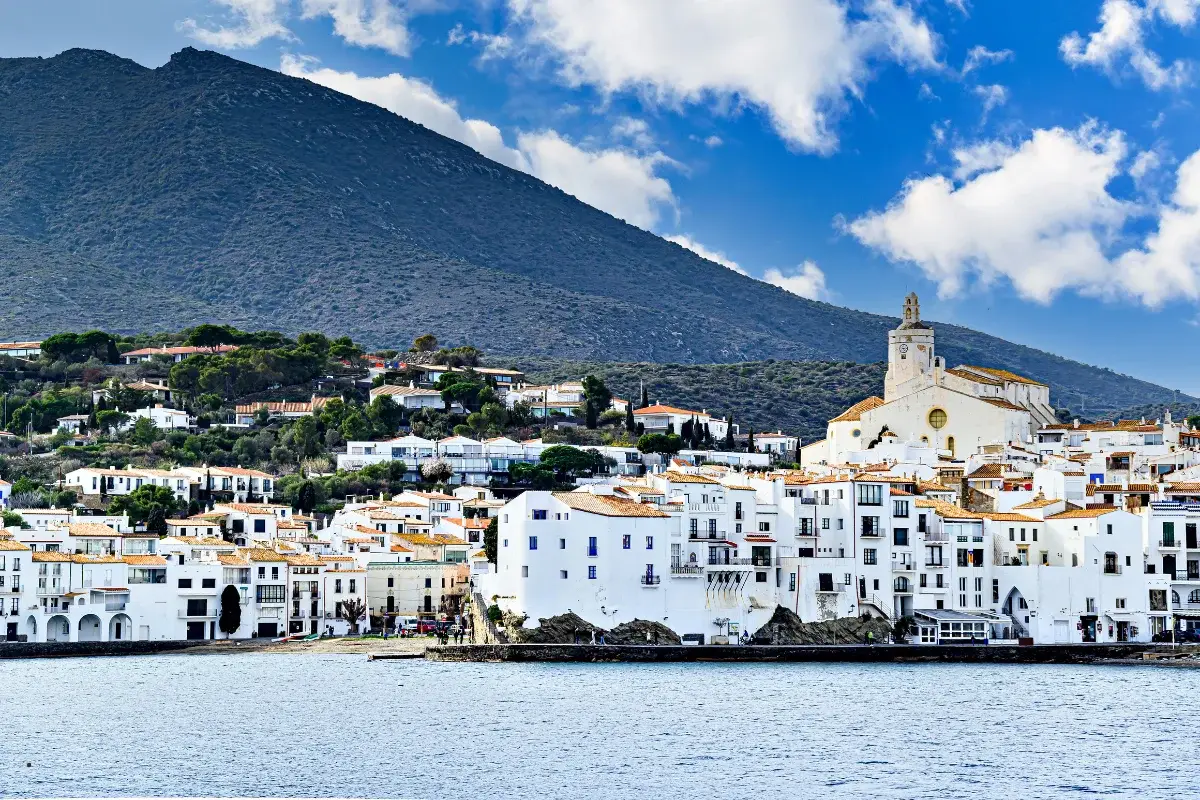
Cadaqués Travel Guide: Dalí, Cap de Creus, and 13km of Curves
The Casa-Museo Dalí at Portlligat takes groups of 8–10 with 10-minute intervals — without a booking you cannot enter, not even in low season. The Cap de Creus is restricted to cars June–September. The rastrell pavement of the old town is a 16th-century engineering technique no other Costa Brava village has preserved. Everything you need to plan Cadaqués without the common mistakes.
 Villages
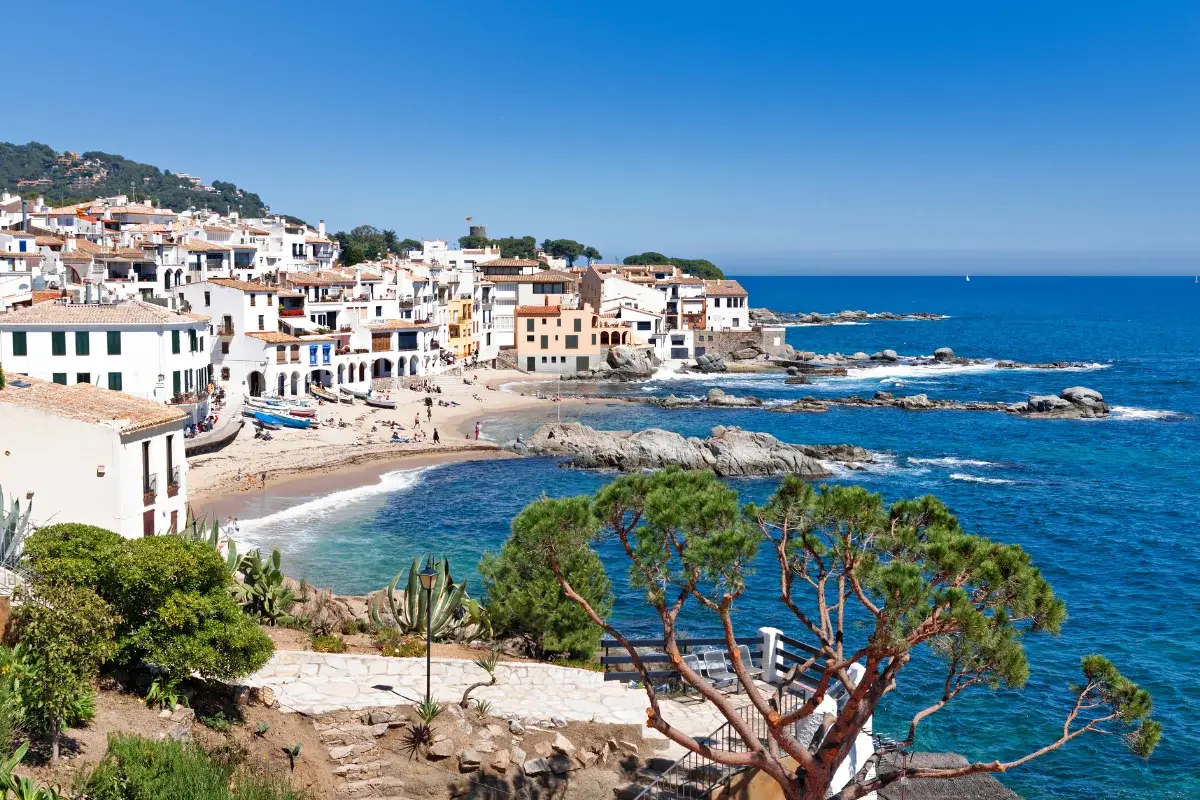
Calella de Palafrugell: The Costa Brava Village That Stayed Real
Les Voltes — the vaulted arches facing Port Bo — were built in the 19th century as fishermen's workshops, not restaurants. The Habaneras singing festival started in 1966 in a tavern to celebrate a book publication. The Cap Roig Gardens were created from 1927 by a Russian Imperial Navy officer and a British writer — both are buried in the garden with their pets. What makes Calella de Palafrugell unlike every other Costa Brava village.
 Villages
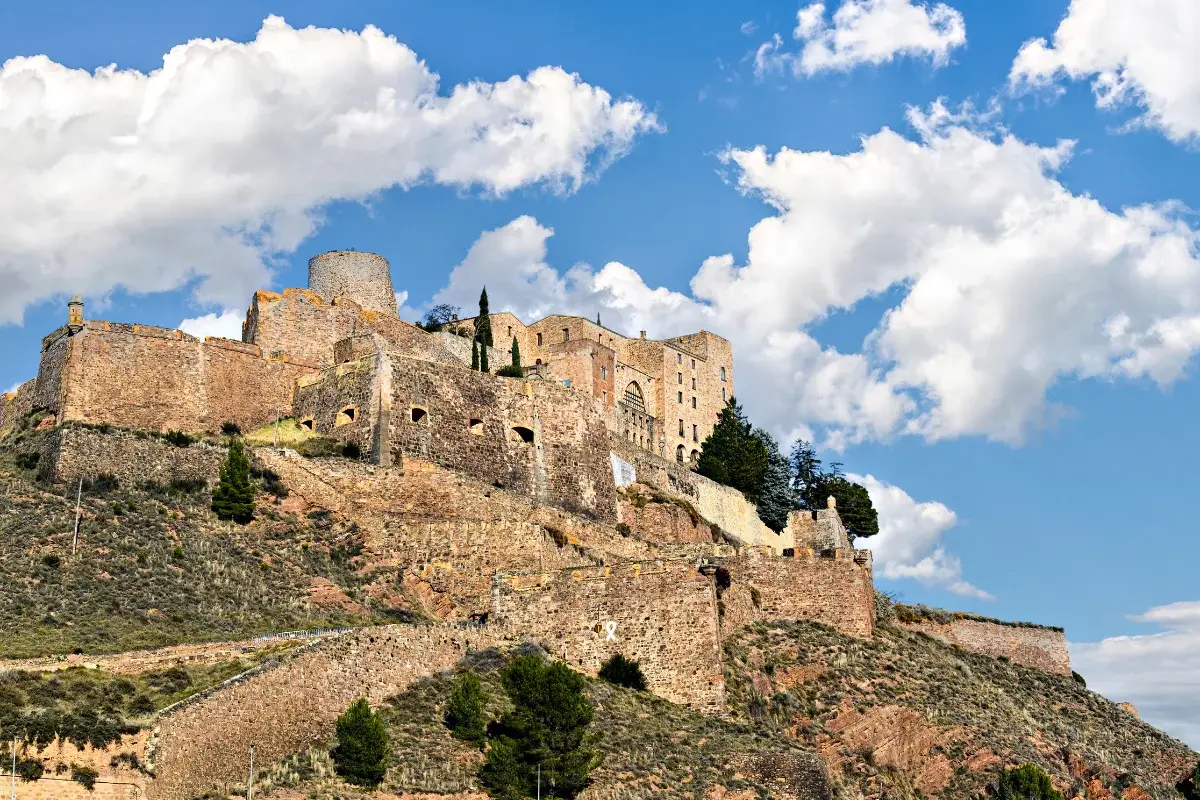
Cardona Day Trip from Barcelona: Salt Mountain, Castle & Romanesque
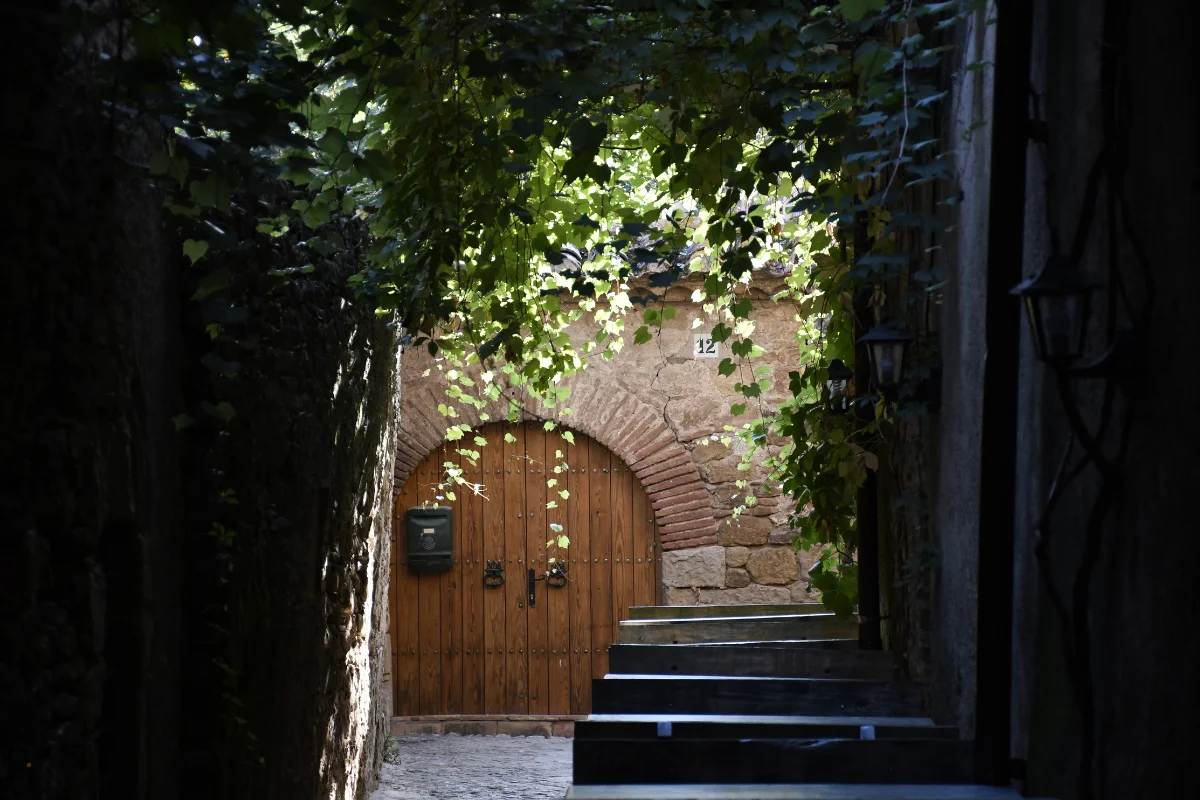
The Torre de la Minyona was deliberately cut from 25 metres to 12.5 metres in 1812 so it couldn't be used as artillery reference. The Collegiate Church of Sant Vicenç was Orson Welles' set for Chimes at Midnight in 1965 and is the only Romanesque building recognised as a European Cinematographic Cultural Treasure. The salt mine reached 1,308 metres deep and generated 300 kilometres of galleries. Here's how to do Cardona in a day from Barcelona.
 Villages
Peratallada: The Medieval Village Where the Name Is Also the Foundation
Peratallada means 'cut stone' in Latin — the defensive moat surrounding the village is excavated directly into the limestone bedrock the buildings stand on, reaching 7 meters deep in some sections. The castle dates to 1065 and is privately owned, but the courtyard is accessible. The Torre de les Hores allows free climbing for views over the entire historic nucleus. The Medieval Fair runs the first weekend of October. No direct public transport from Barcelona — train to Girona and car rental is the practical solution.
 Villages
Rupit: The Stone Village at 822 Meters Where Every House Has a Date Carved in the Lintel
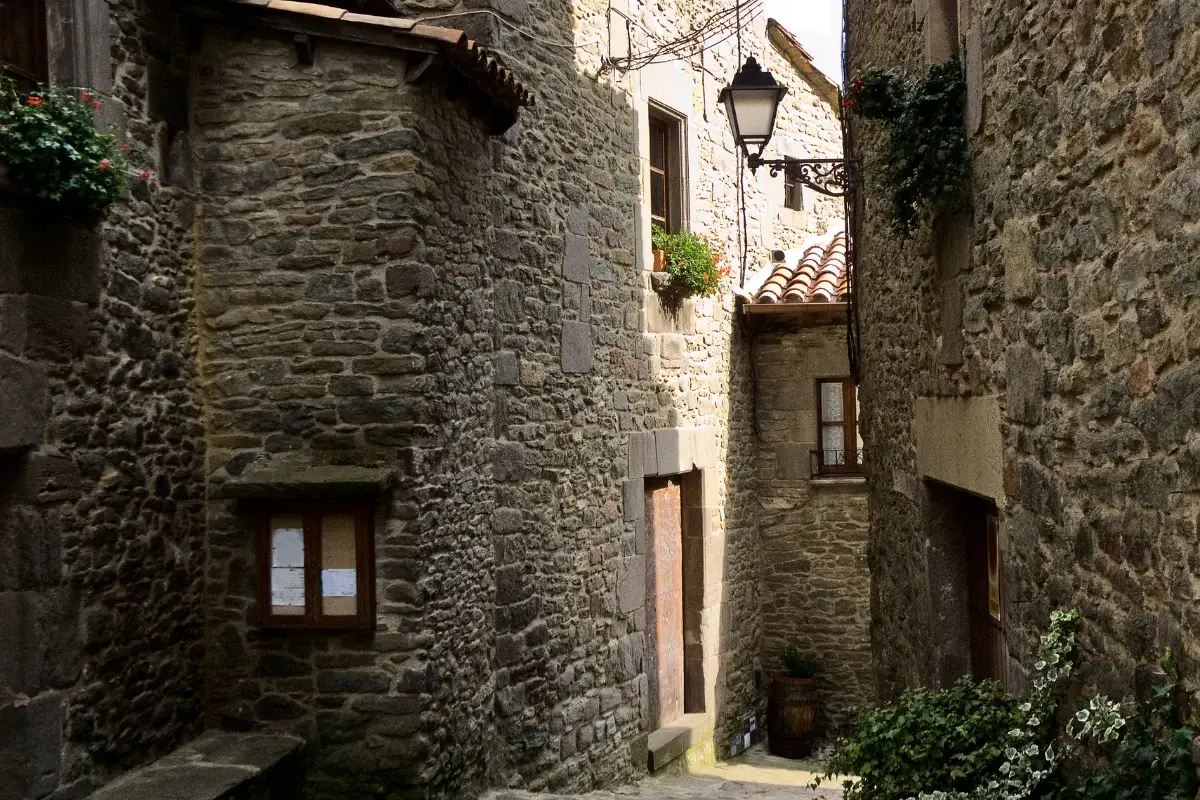
The suspension bridge of Rupit was built in 1945 by four local craftsmen — it's not medieval, and the 10-person limit exists for structural reasons, not aesthetics. The Salt de Sallent waterfall reaches 100–115 meters but can disappear entirely in a dry summer. Parking costs €5 and the old town is blocked to visitor cars with retractable bollards. Most house lintels carry their construction date in stone — some exceed 400 years. One of the best-preserved medieval villages in the Catalan interior, 98km from Barcelona.
 Villages
Sitges from Barcelona: Beaches, Modernisme and the Museum That Changed Catalan Art
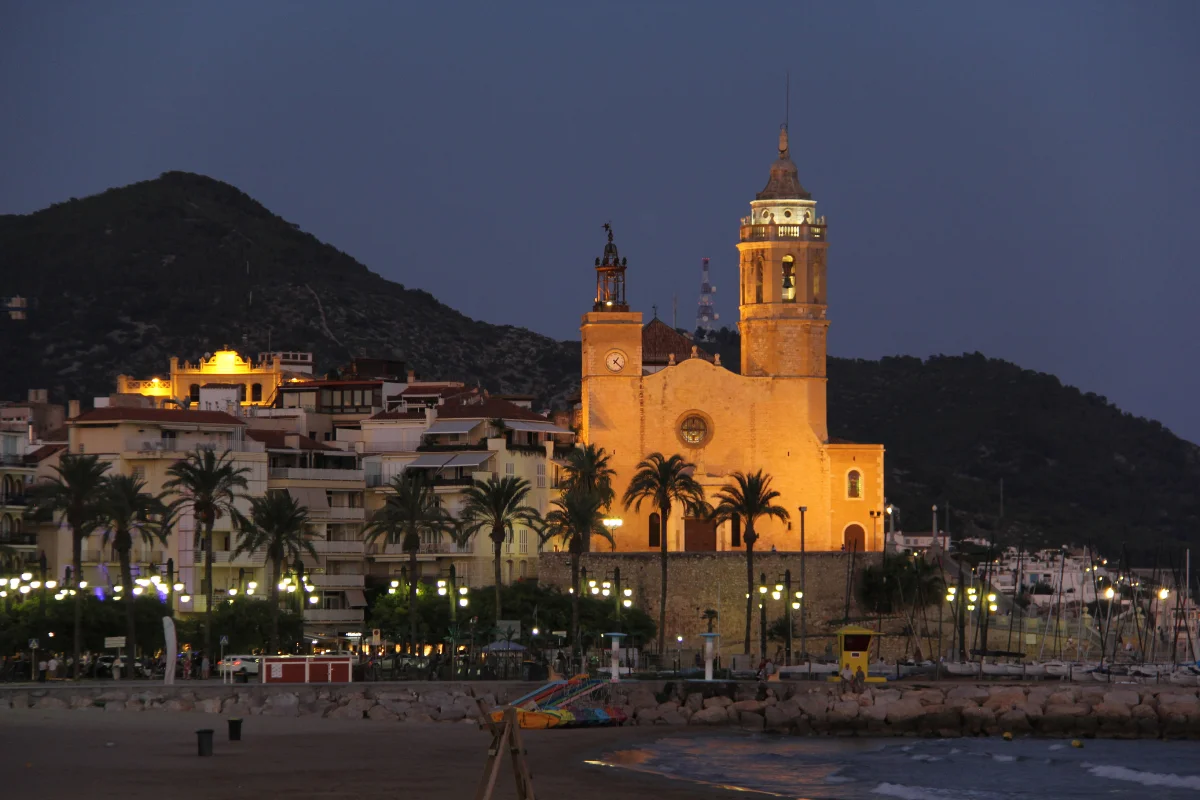
In 1894, Santiago Rusiñol organized a solemn procession from the Sitges train station to his house-studio, carrying two El Greco paintings he'd bought in Paris. The event effectively launched Catalan Modernisme as a movement. That house is now the Cau Ferrat Museum — and it still doesn't look like a museum. The Palau de Maricel only opens on Sundays. The first chiringuito in Spain is still operating on the same seafront where it opened. 26 beaches, three world-class museums and 35 minutes from Barcelona.
 Villages
Tossa de Mar: The Only Intact Medieval Walled Town on the Catalan Coast
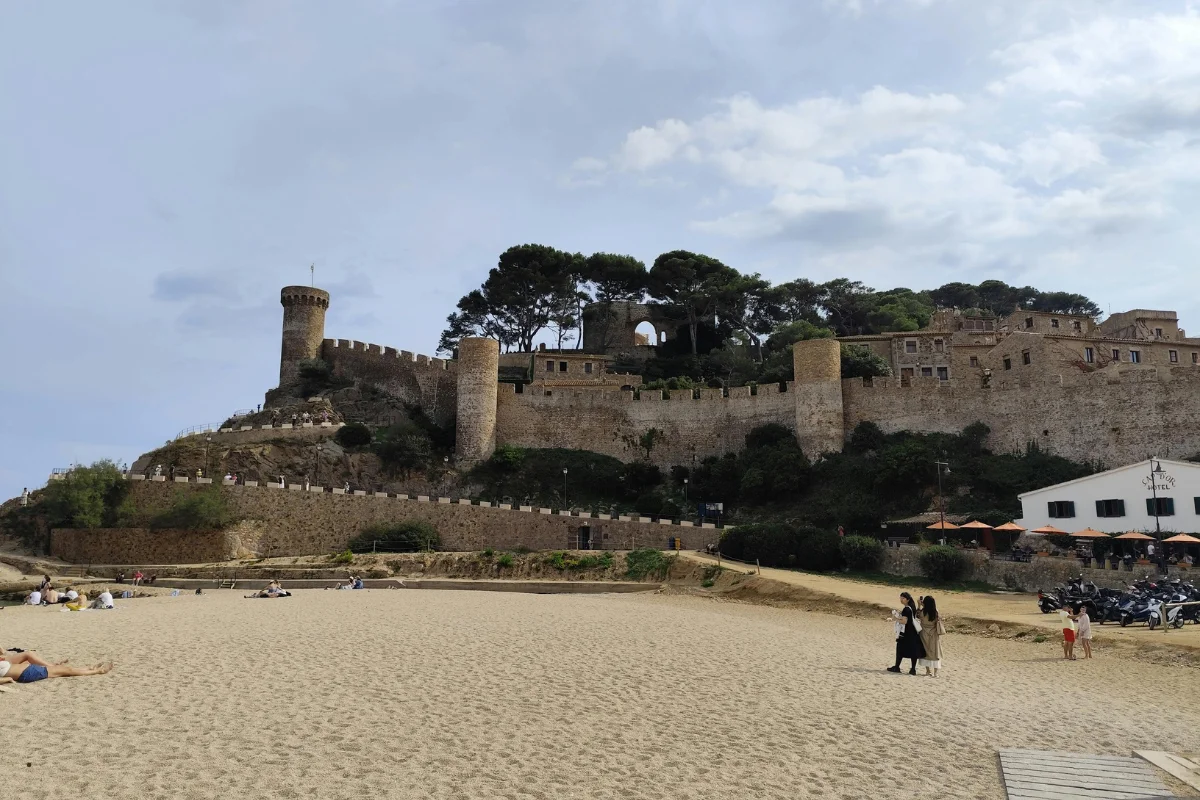
The Vila Vella of Tossa de Mar is the only fully intact fortified medieval settlement on the entire Catalan coast — declared a National Historic-Artistic Monument in 1931. The Municipal Museum was the first in Spain to exhibit foreign contemporary art, with an original 1934 Chagall that he painted after calling the town his 'Blue Paradise.' The Villa Romana dels Ametllers has free entry and 1st-century mosaics that identify the Roman name of the town: Turissa. The Cim i Tomba stew has a name that describes its cooking technique.
 Villages
Vic from Barcelona: Medieval Market, Roman Temple and the Best Sausage in Catalonia
The R3 train line has mandatory connections and substitution buses until 2027 — the e12 express bus is currently faster and more direct. Vic's Medieval Market in December draws over 100,000 visitors to 300+ stalls in the historic center. Casa Riera Ordeix has been curing Llonganissa de Vic in the same building since 1852. The MEV museum holds 29,000 medieval art pieces and is free the first Thursday of every month. A complete one-day plan from Barcelona.