
Category
Architecture
34 articles
 Architecture
What Barcelona Attractions Are Actually Worth Paying For
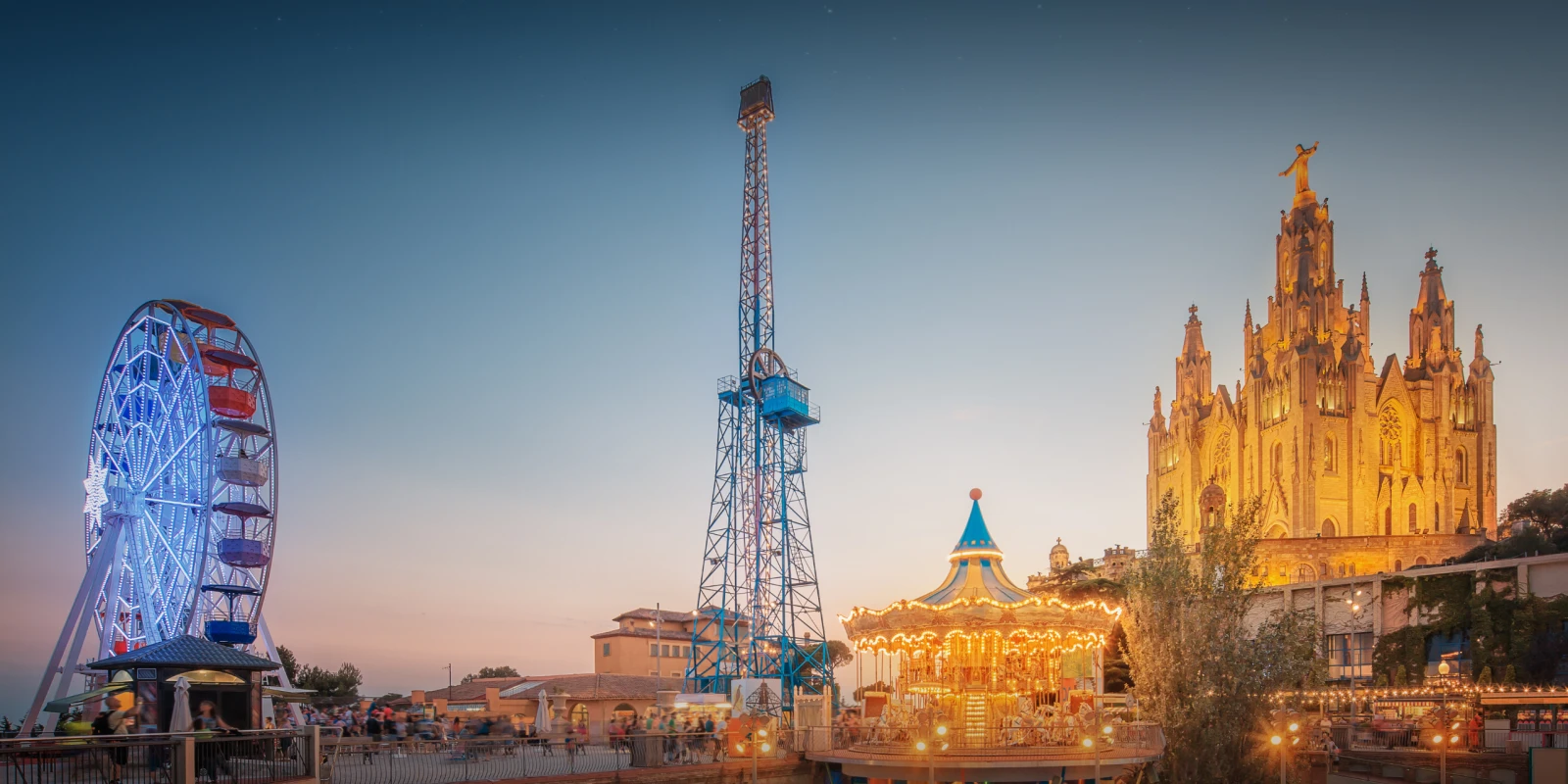
Park Güell went from 10 to 18 euros in early 2026, an 80 percent rise, and entry is capped at 1,400 visitors an hour. The Sagrada Família runs 26 euros basic and 40 with guide and tower. The Camp Nou stadium tour does not run at all during the rebuild; only the museum is on sale.
 Architecture
La Garriga, Modernist Houses and a Spa by Train
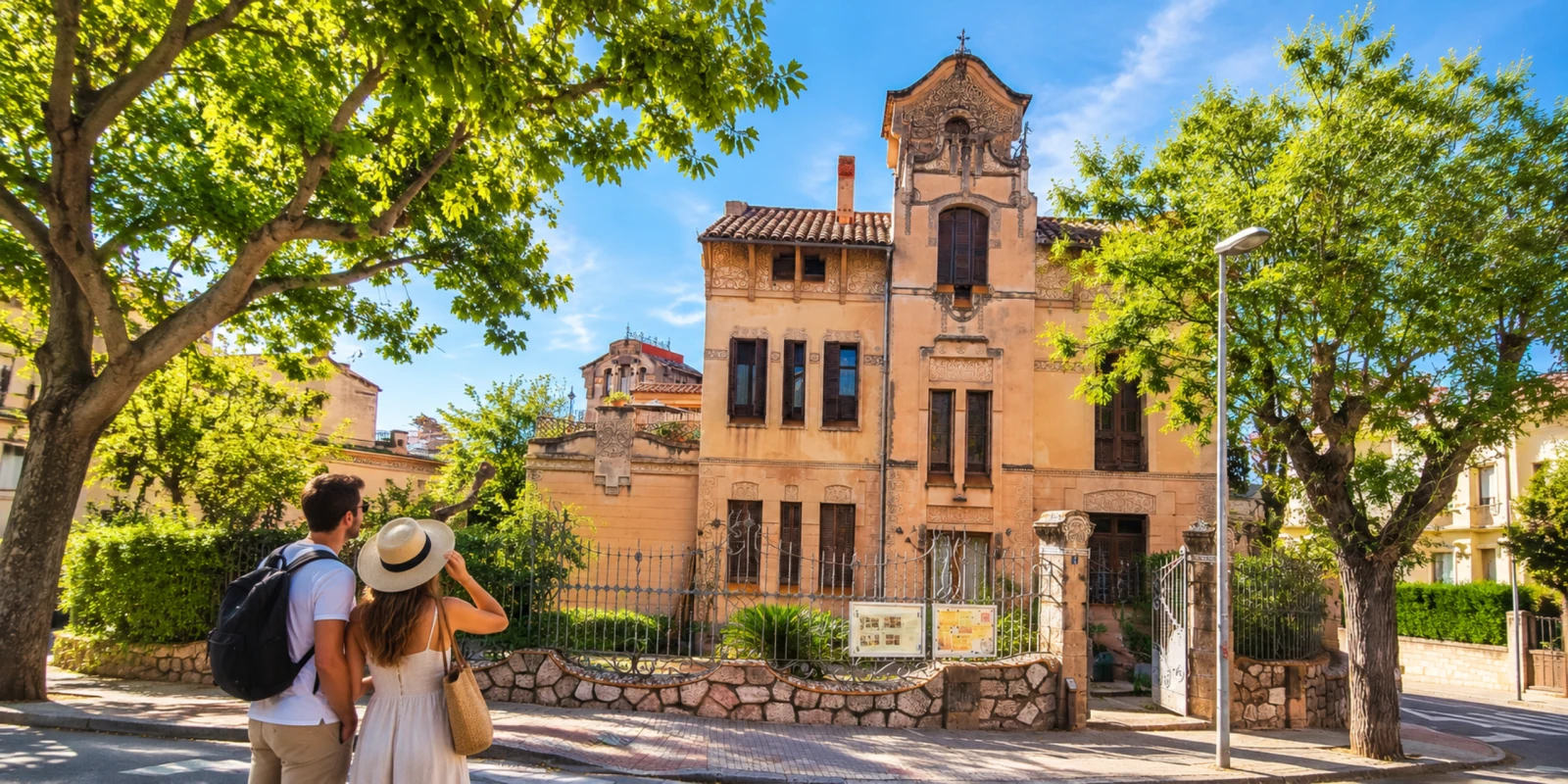
The Illa Raspall is a listed block of four modernist garden-houses built between 1910 and 1913: La Bombonera, Torre Iris, Casa Barraquer and Casa Barbey. The town is on Rodalies line R3 from L'Hospitalet to Vic, unlike Caldes de Montbui, which has no station and is reached by bus.
 Architecture
Casa Amatller, Which of the 3 Tickets Is Worth It
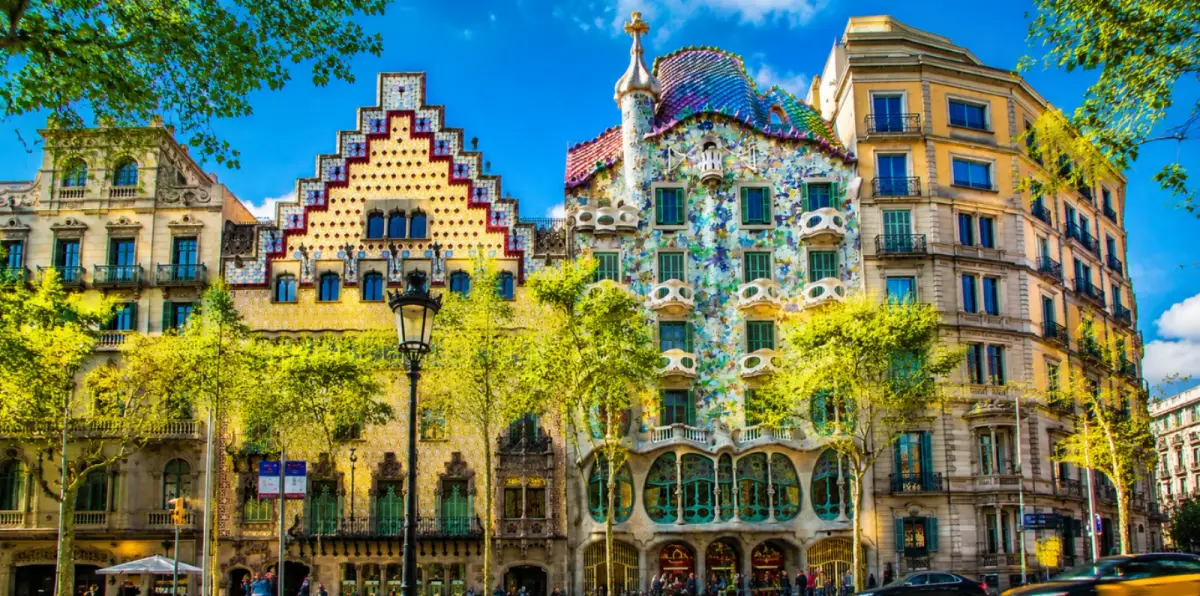
Three products share the Amatller name at Passeig de Gràcia 41, and only the guided tour walks you through the 1900 apartment: 23 € general, 19 € reduced and 16 € for ages 18 to 25. The audio-guided version leaves every 30 minutes between 10:00 and 19:00, in seven different languages.
 Architecture
Park Güell vs Casa Batlló vs La Pedrera, Real Prices
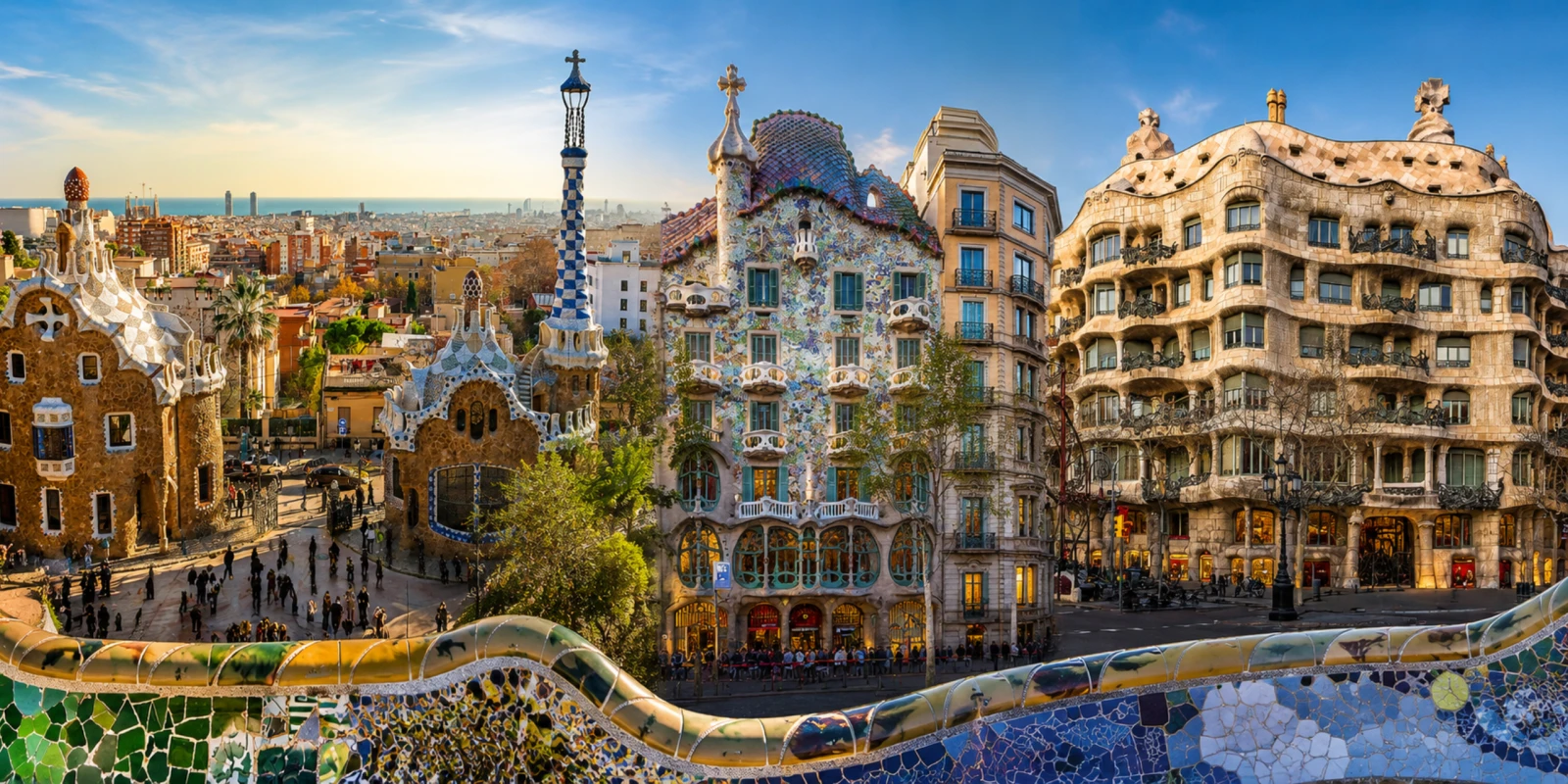
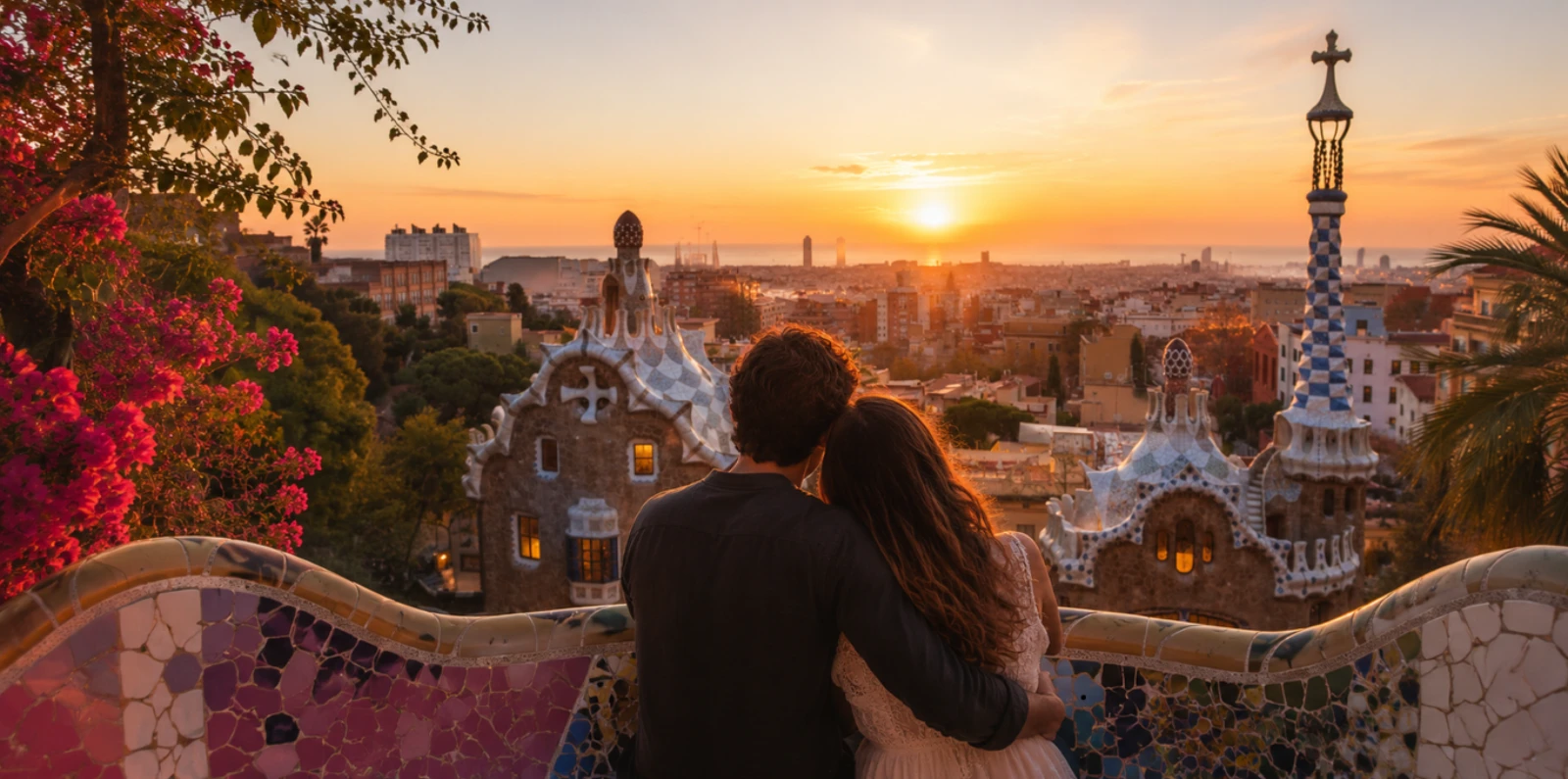
Resellers list Park Güell at 22 euros for entry the park itself sells at 18, with 13.50 from age 7 to 12 and over 65, and a cap of 1,400 visitors an hour. La Pedrera starts at 25 and refuses refunds on its own site. Casa Batlló prices dynamically, saving up to 15 euros booked online.
 Architecture
Romanesque Barcelona, the 2-Hour Walk Before the Gothic
Six buildings from the 12th and 13th centuries are all that survives of pre-Gothic Barcelona, and they sit close enough to walk between. Opening hours are the real obstacle: start around 10:00, because several shut at midday. Santa Maria del Mar, built 1329 to 1383, is Gothic and not on the route.
 Architecture
Torre Bellesguard, Gaudí's Castle That Closes at 3pm
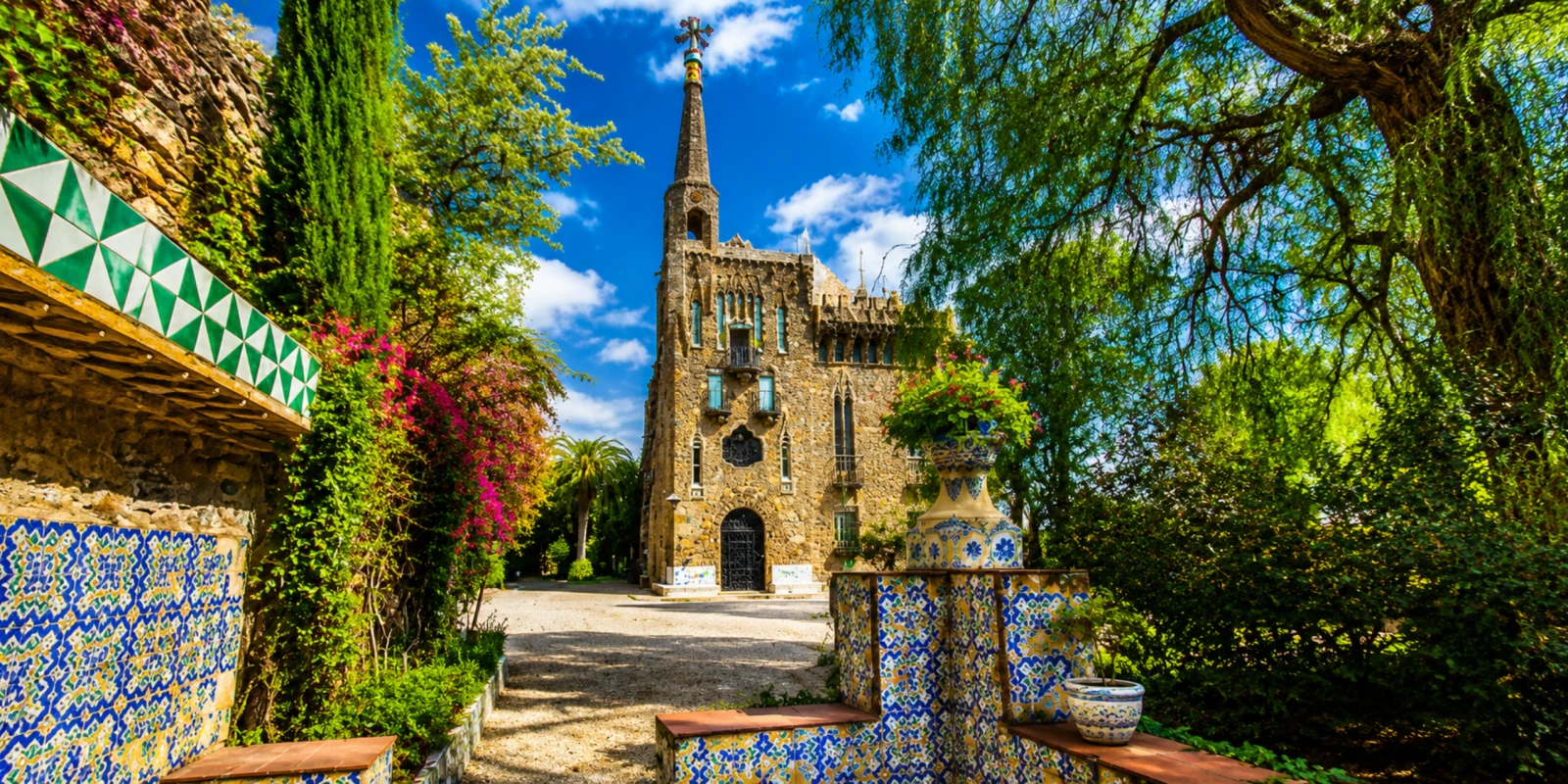
Bellesguard is the only major Gaudí house in Barcelona with no queue at all, and the reason is a five-hour opening window that shuts at 3pm. FGC from Plaça de Catalunya to Avinguda Tibidabo plus a 15-minute walk uphill, or buses 60, 123 and 196, makes it 25 to 35 minutes door to door.
 Architecture
Torre Glòries Viewpoint, Barcelona's Only 360º Lookout
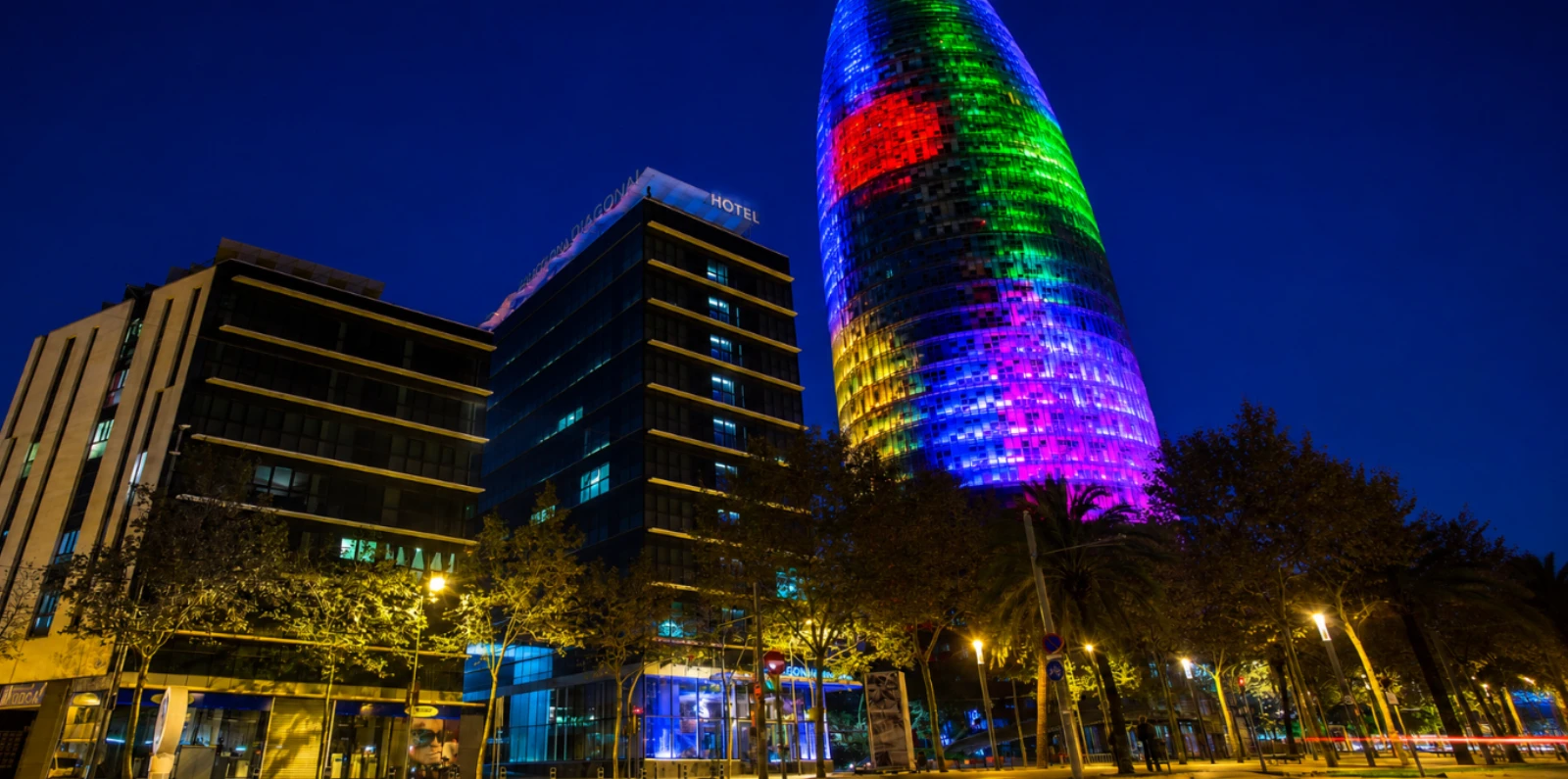
The ticket covers three levels: the Hyperview data exhibition below ground, the 360-degree ring at 125 metres on floor 30, and Tomás Saraceno's climbable Cloud Cities under the dome. General admission runs about 18 euros, and the ticket desk costs roughly 3 euros more than booking online.
 Architecture
Colònia Güell, the Gaudí Crypt He Never Finished
Gaudí hung a 1:15 inverted model of cords weighted with lead shot to calculate the structure without drawings, and the crypt is the only part ever built: funding stopped in 1914 and the 40-metre dome never rose. The ticket with audio guide costs €10, €8 reduced and free under 10.
 Architecture
Maritime Museum of Barcelona and the Royal Shipyards
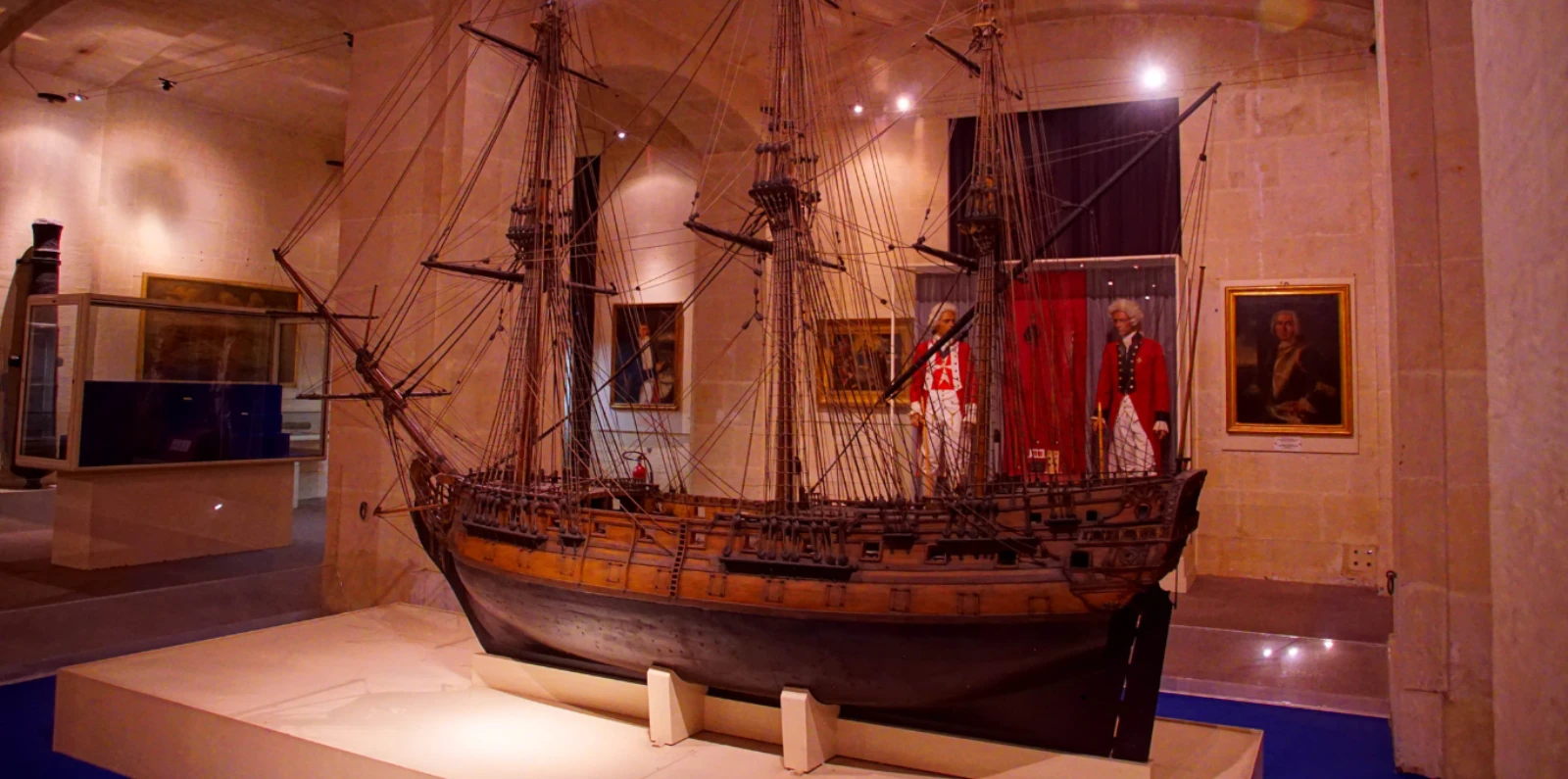
The Royal Shipyards are the largest surviving civil Gothic building in the world, raised in the late 13th century to mass-produce the war galleys of the Crown of Aragon. Inside, the Maritime Museum holds a collection of over 6,600 pieces and a full-scale replica of the Royal Galley of Lepanto, 60 metres long. What surprises most visitors is that the building you walk through today is largely a 16th-century reconstruction over the original medieval foundations.
 Architecture
Poble Espanyol Barcelona, Is It Worth Visiting in 2026
Poble Espanyol packs 117 full-scale replicas across 40,000 m² of Montjuïc for €14.40 online, €9 for children aged 4 to 12 and free below 4. The ticket includes the Fran Daurel museum and its 300-plus works by Picasso, Dalí and Miró, which most visitors never realise they have paid for.
 Architecture
The Tallest Buildings in Barcelona and Its Skyline
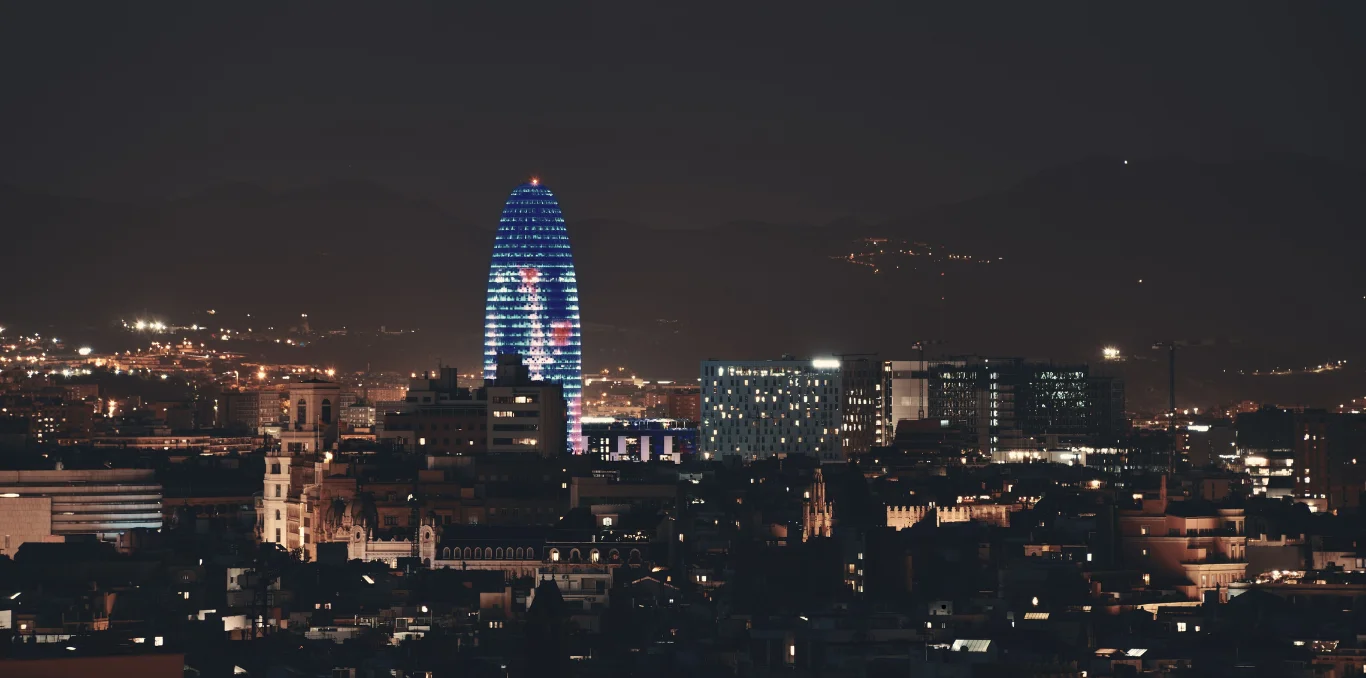
The tallest building in Barcelona changed in 2026 for the first time in over three decades. After the final piece of the cross was placed on 20 February, the Sagrada Família reached 172.5 metres and overtook the Hotel Arts and the Torre Mapfre, which had shared the title at 154 metres since the 1992 Olympics. Jean Nouvel's Torre Glòries completes the podium at 144 metres, while Norman Foster's Collserola Tower still dominates the valley at 288 metres, though it is not a habitable building. This is the verified guide to the Barcelona skyline, with the ranking, the heights and where to see it.
 Architecture
Barcelona's França Station — The Railway Palace Nobody Talks About
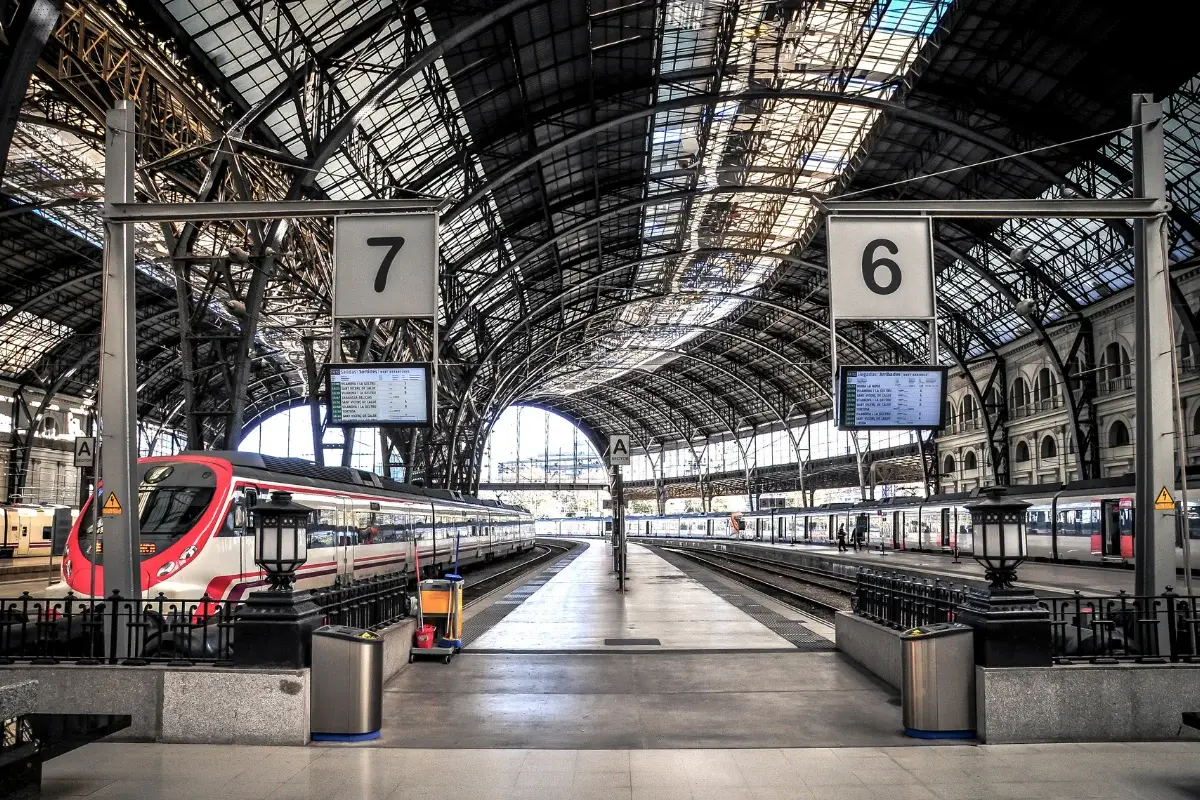
Barcelona's França Station was built in 1929 for the Universal Exhibition with a curved 29-meter iron canopy — the curve exists because the tracks had to circumvent a Bourbon military fortress. It's still a working station, free to enter, 5 minutes from Ciutadella Park, and contains one of the finest Beaux-Arts railway halls in Europe. Most visitors never go.
 Architecture
La Pedrera Inside — What Gaudí Actually Built and Why It Mattered
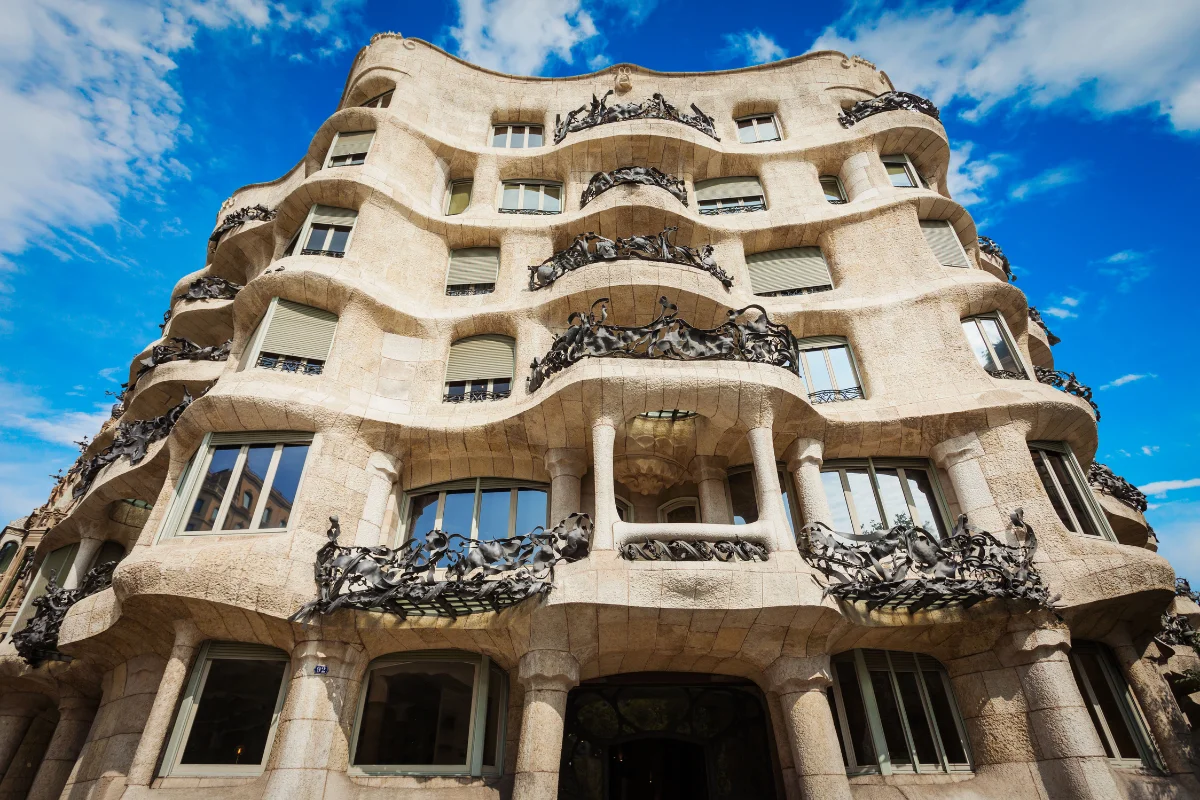
La Pedrera has no load-bearing interior walls. Gaudí eliminated them in 1906 with a pillar system that created free-plan floors — anticipating by 20 years what Le Corbusier would formalize as modern architecture. The building that the Barcelona press called a 'Zeppelin garage' is now one of the ten most visited buildings in Europe. The roof alone justifies the entry price. Here's what's actually inside and why it works the way it does.
 Architecture
Mies van der Rohe Pavilion Barcelona — The Building That Influenced Architecture While It Didn't Exist
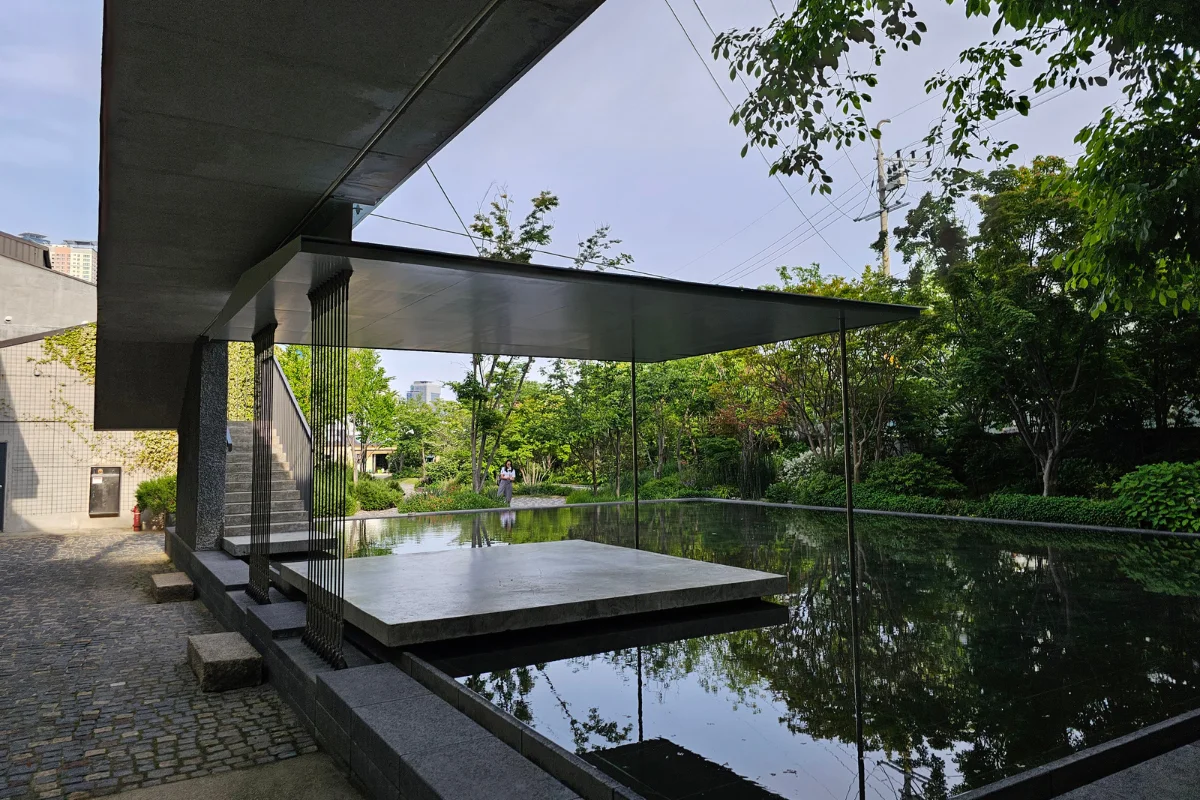
The Barcelona Pavilion stood for eight months in 1929, was dismantled for scrap in 1930, and spent the next 56 years influencing 20th-century architecture exclusively through black-and-white photographs. What you visit today is the 1986 reconstruction. Entry €12. In 2024 it received 108,000 visitors — compared to 4.8 million at the Sagrada Família. The gap between its architectural influence and its tourist footprint is one of the strangest facts in contemporary architecture.
 Architecture
Palau de la Música Catalana — Visit Guide, Ticket Types and Concert Tips
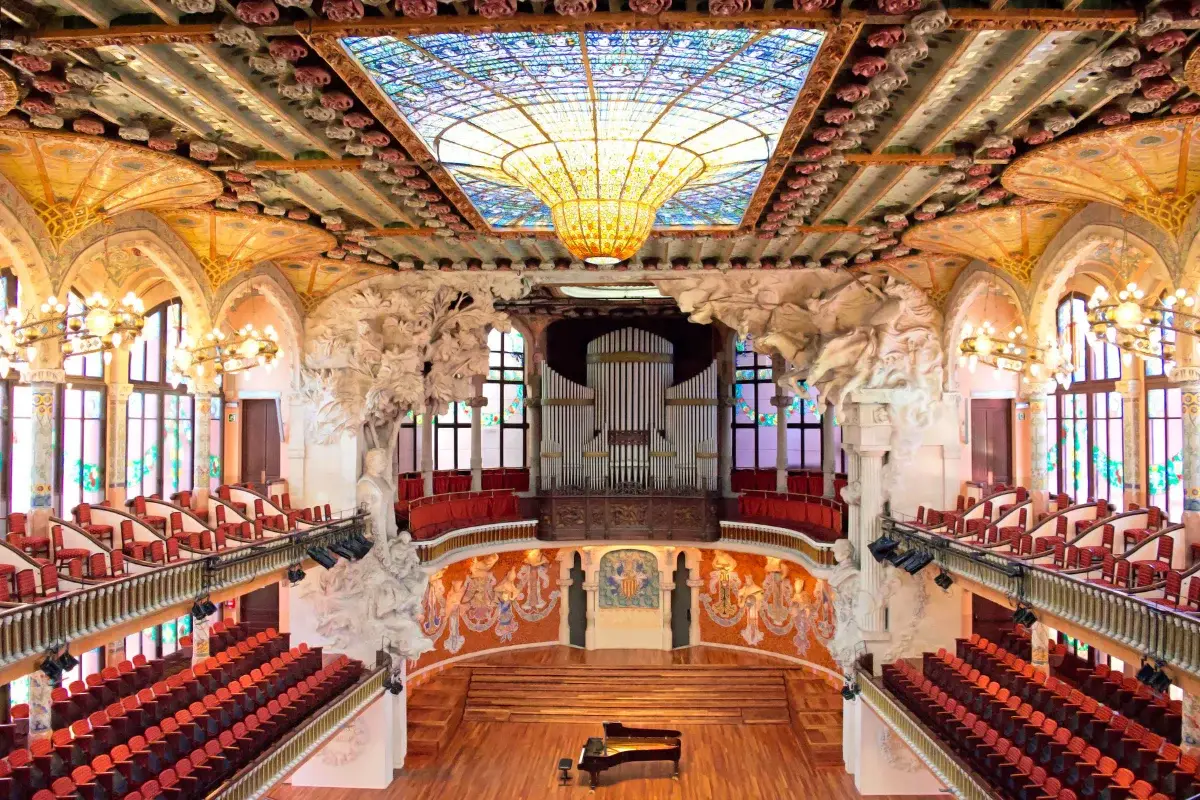
The Palau de la Música Catalana has five visit formats at different prices, a skylight that changes completely by hour of day, and over 300 concerts annually. The guided visit costs €22 and lasts 50 minutes. One of the 18 muses on the stage has no instrument — she represents choral singing, the reason the building exists. Most visitors choose the wrong ticket type without knowing the difference.
 Architecture
Pedralbes Monastery Barcelona — The Gothic Cloister Almost Nobody Visits
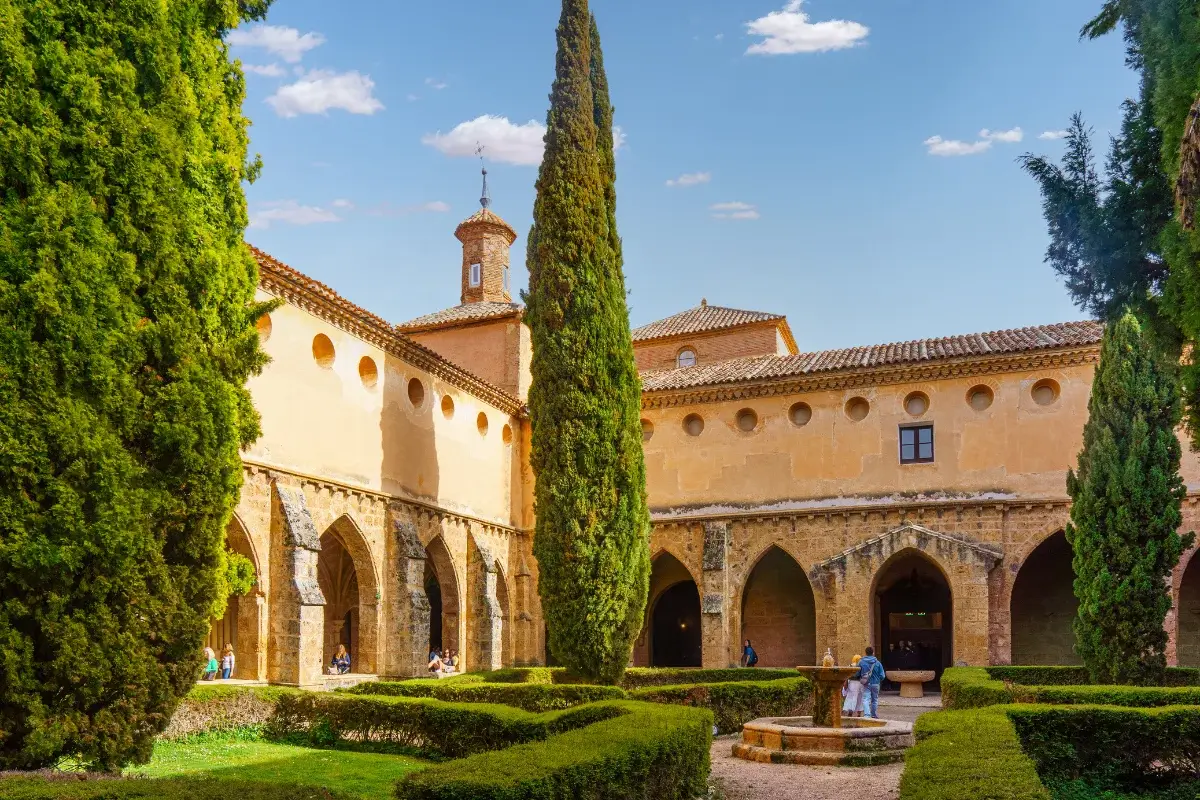
Pedralbes Monastery has the largest Gothic cloister in the world, the oldest Italian Trecento-influenced painting on the Iberian Peninsula (Ferrer Bassa's 1346 murals), and a queen's tomb with two faces — one crowned for the church, one in nun's habit for the cloister. Entry €5. In 2026 it celebrates its 700th anniversary. The last resident nuns left in February 2025 after nearly 700 years of continuous community.
 Architecture
Recinte Modernista de Sant Pau — Why the Most Beautiful Hospital in the World Was Rotated 45 Degrees
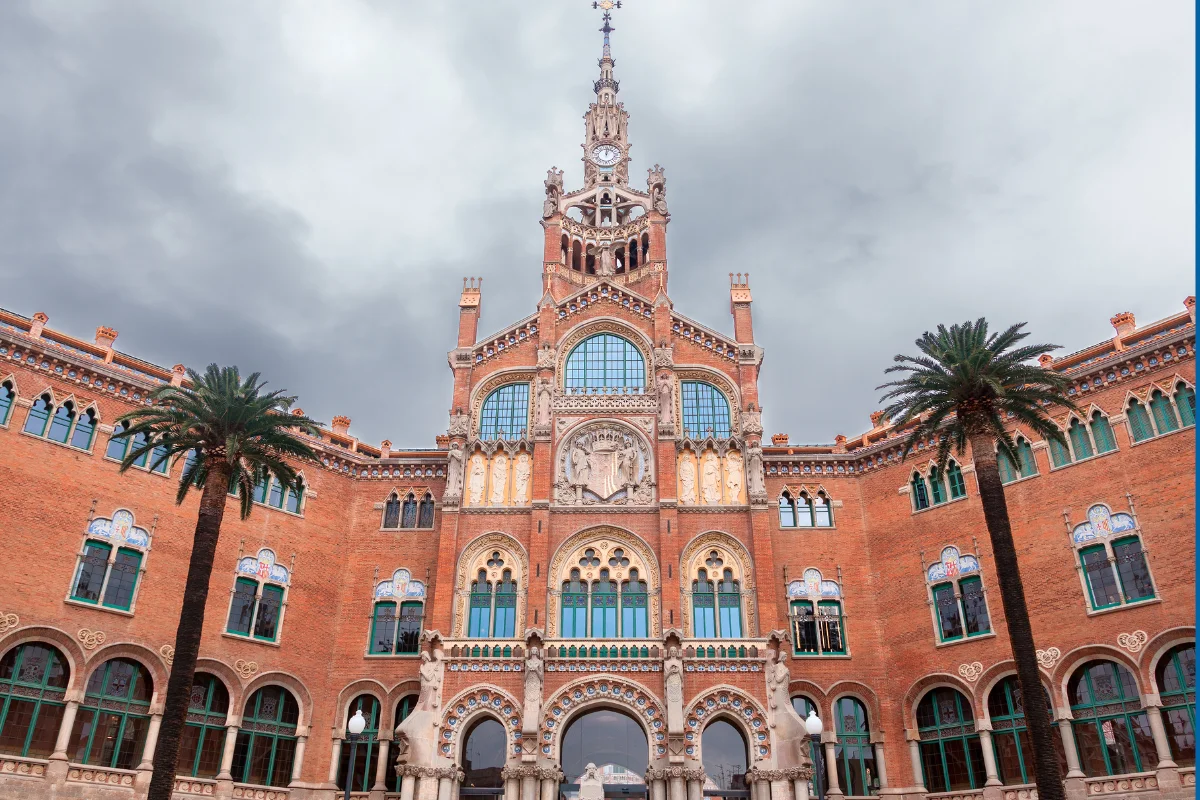
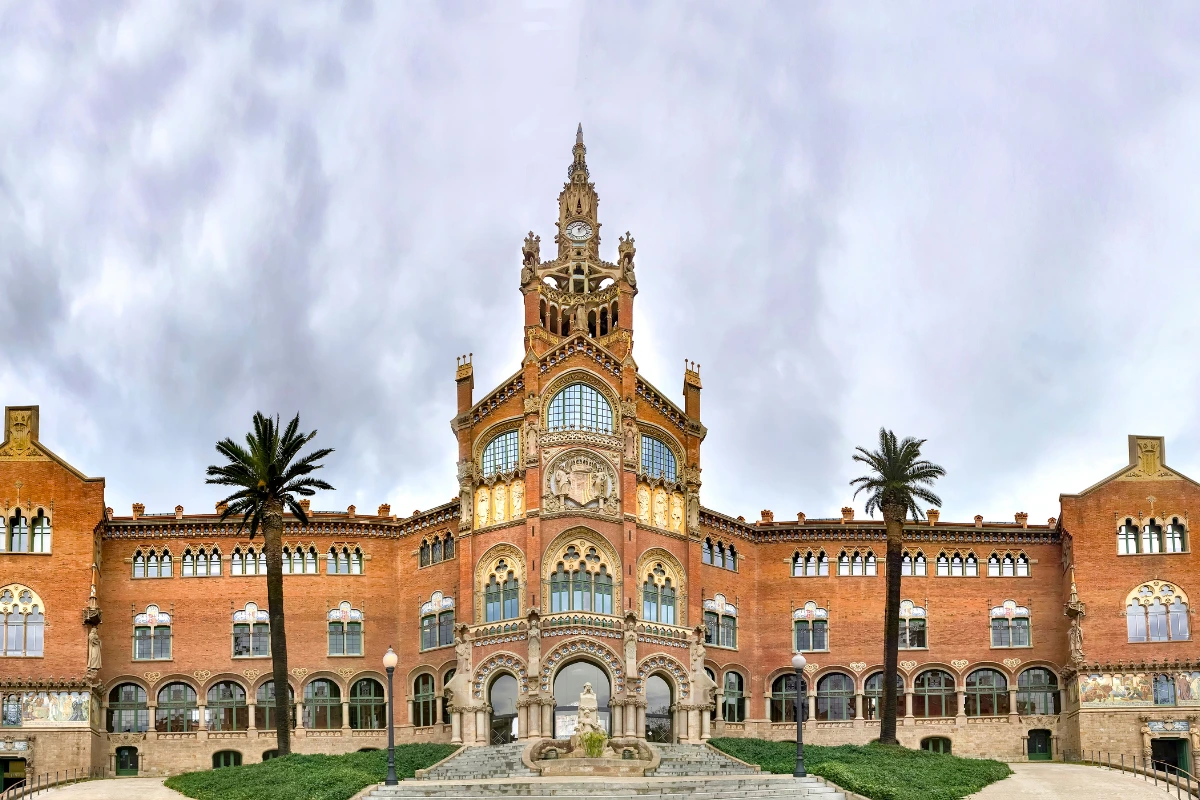
The Recinte Modernista de Sant Pau was rotated 45 degrees from the Eixample grid deliberately — the only way to guarantee maximum solar exposure for UV sterilization and cross-ventilation in all pavilions. Lluís Domènech i Montaner studied over 200 hospitals in Europe before designing it. The largest Art Nouveau complex in the world, UNESCO World Heritage since 1997. Entry €15–18.
 Architecture
Barcelona Modernisme Beyond Gaudí: The Four Architects Who Completed the Movement
Catalan Modernisme was built by over 100 architects. Domènech i Montaner designed the world's most important hospital as a garden city of 18 independent pavilions — the biophilic design principle a century before the term existed. Puig i Cadafalch's Casa de les Punxes interior has been closed since 2021 when it became a coworking space, though recommendations to visit the interior still circulate. Jujol designed the Park Güell benches, not Gaudí. The Casa Comalat has two completely different facades on two different streets. A guide to the Modernisme that isn't on the tourist map.
 Architecture
Eixample Barcelona: Gaudí, Hidden Gardens, and the Grid That Changed Cities
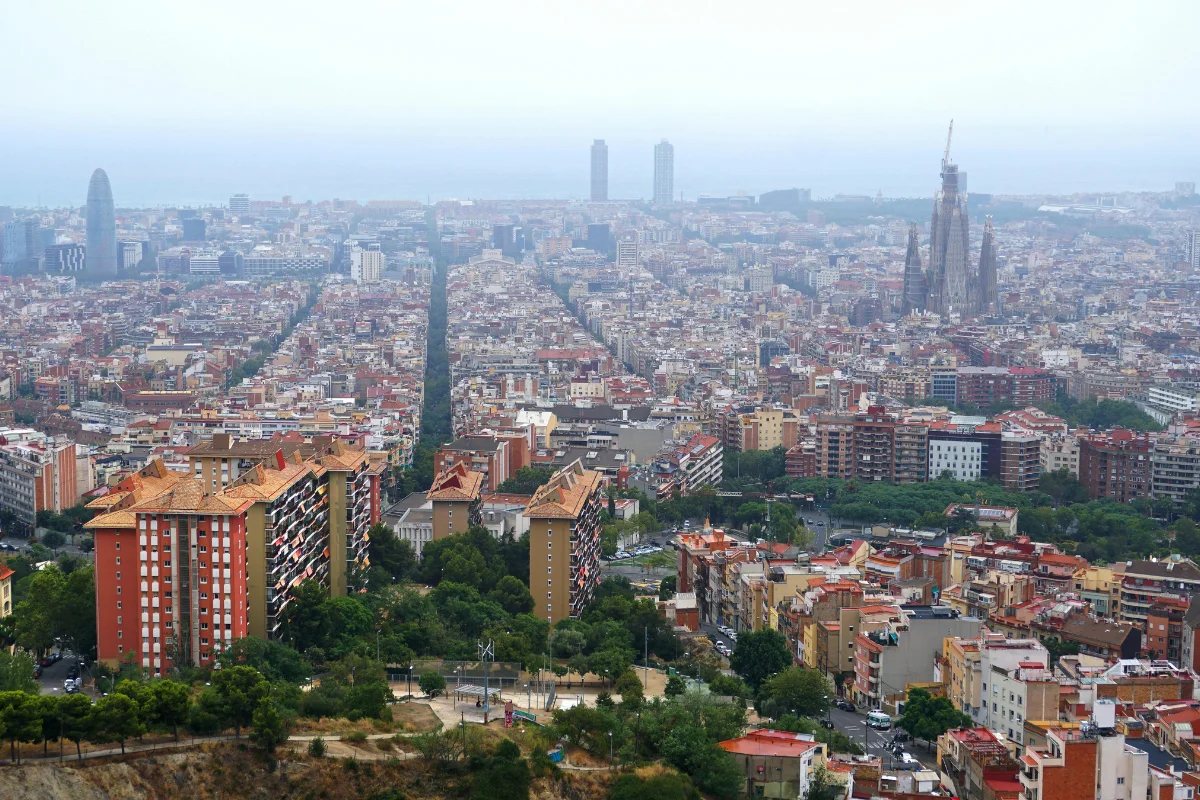
The Eixample is the most ambitious urban plan of the 19th century — designed to solve a public health crisis, immediately corrupted by real estate interests, and now partially being restored to its original vision. Ildefons Cerdà drew the grid in 1859 against a mortality rate among the highest in Europe, and its chamfered corners were cut for visibility and air. The Sagrada Família has been building since 1882 and reached 172.5 metres in February 2026.
 Architecture
El Born Barcelona: The Neighborhood Built on a Deliberate Demolition
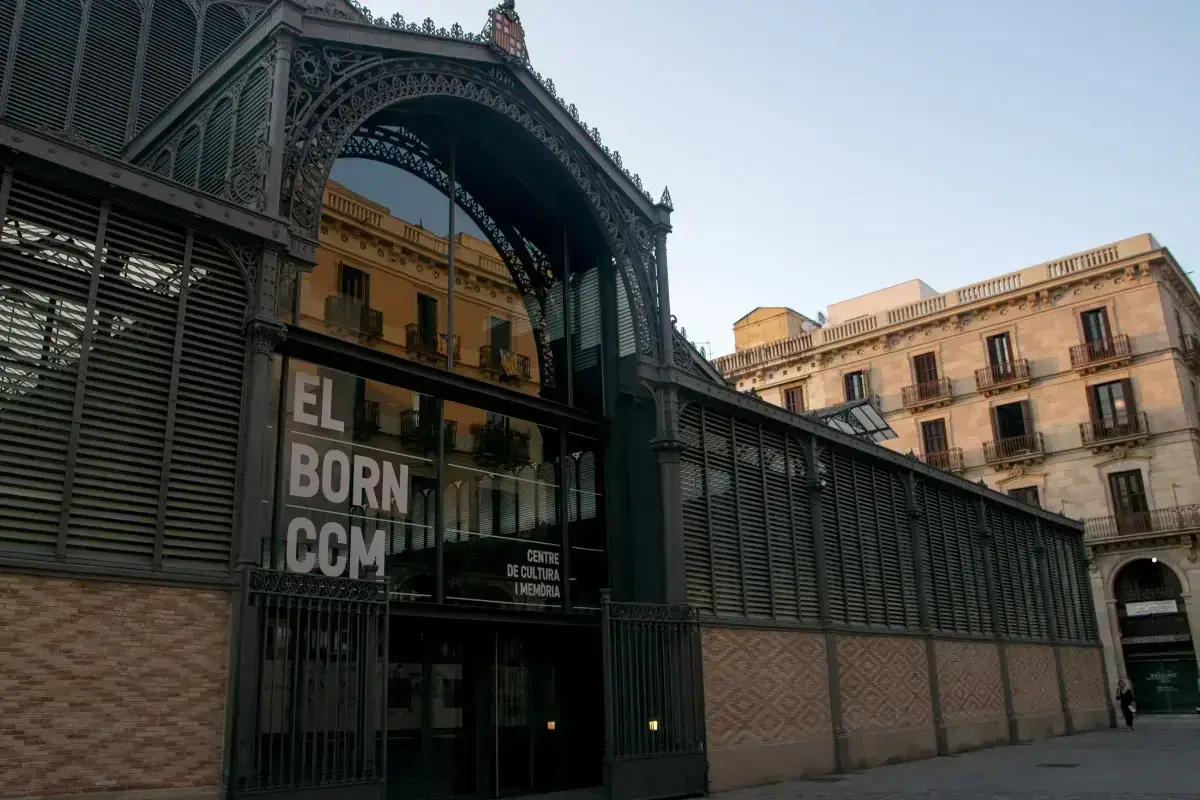
In 2001, workers preparing to demolish the 19th-century Mercat del Born to build a library discovered something under the floor: an entire neighborhood demolished in 1714 on the orders of Felipe V, preserved under three centuries of soil. The discovery stopped the demolition and created the Born Centre de Cultura i Memòria. Santa Maria del Mar was built in 55 years — unprecedented speed for Gothic construction of this scale. The Palau de la Música Catalana is the only Modernista building listed UNESCO World Heritage alongside Gaudí's work.
 Architecture
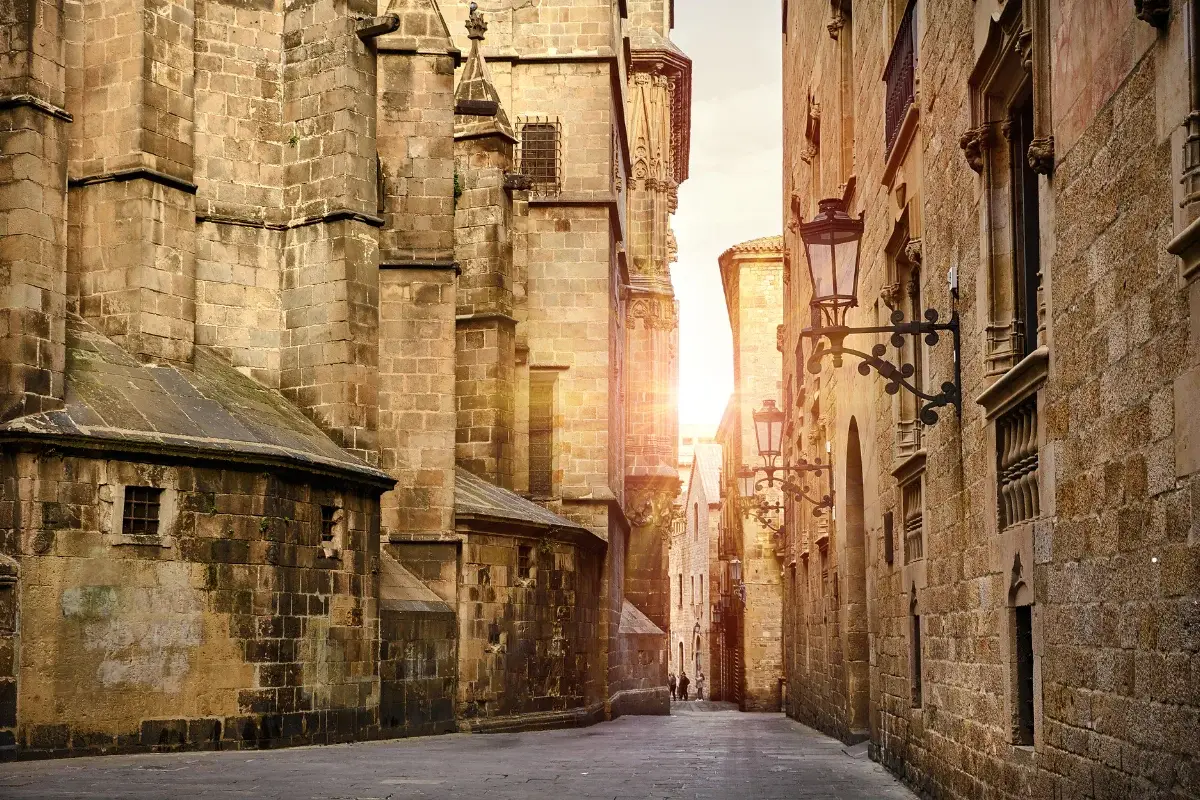
Barcelona Gothic Quarter: The Medieval Illusion and What's Real
The Gothic Quarter is not as medieval as it looks. Much of what visitors photograph was built or reconstructed between 1900 and 1930. The Cathedral façade was completed in 1913. The Pont del Bisbe dates to 1928. This guide tells you what's authentic, what's fabricated, and why both matter.
 Architecture
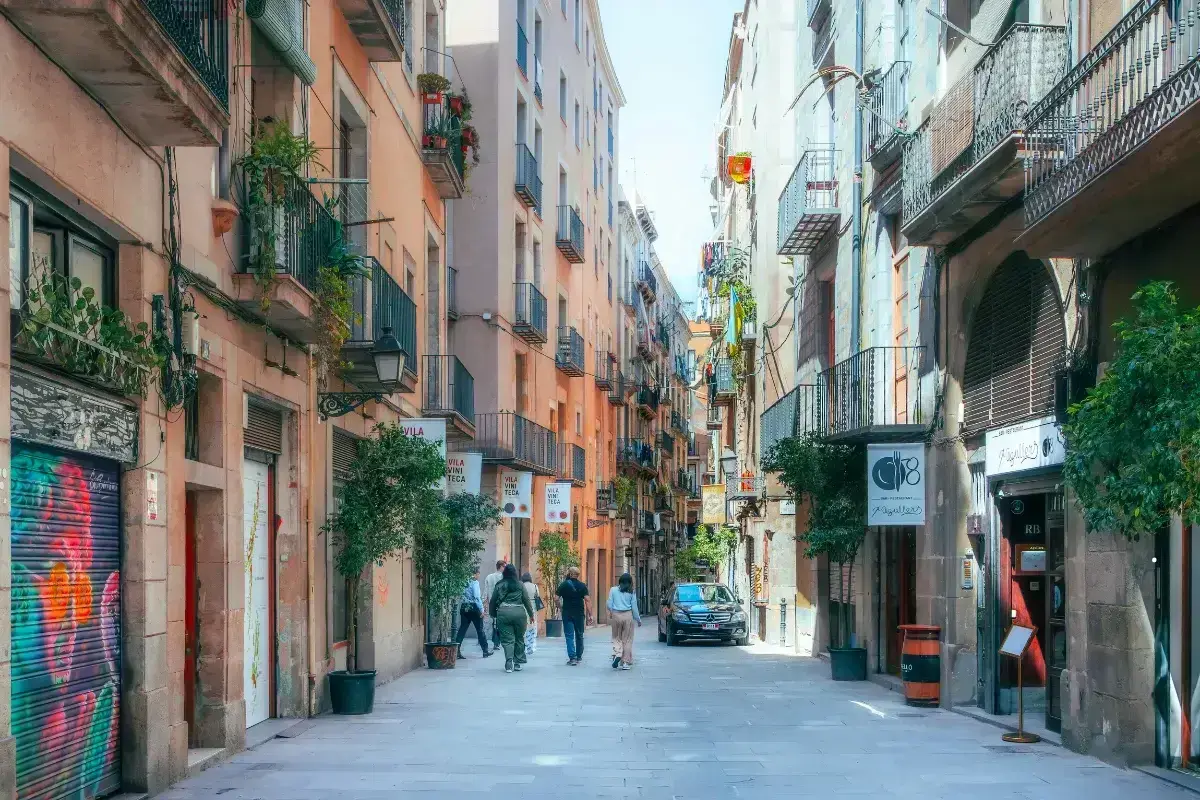
Gràcia Barcelona: The Neighborhood That Rebelled Against Military Conscription in 1870
Gràcia was an independent municipality until Barcelona forcibly annexed it in 1897 — the same year it absorbed Sants, Les Corts and other surrounding towns. In 1870, before the annexation, Gràcia staged an armed uprising against mandatory military service that required 14 artillery battalions from Madrid to suppress. The Casa Vicens on Carrer de les Carolines is Gaudí's first major work (1883–1885), the least visited of his buildings and the most revealing of how his architectural language developed. The Festa Major in August is the most participatory neighborhood festival in Barcelona — built entirely by volunteer resident associations.
 Architecture
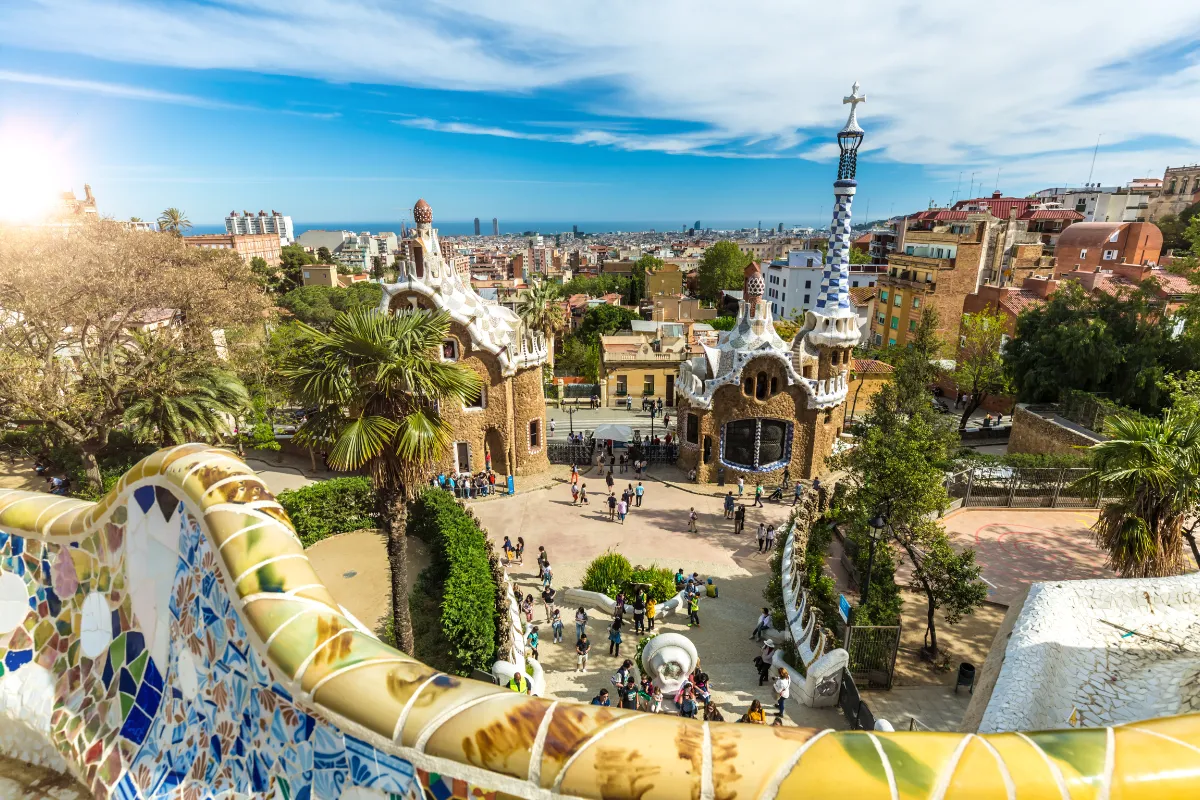
Palau Güell: The Building Where Gaudí Invented His Own Language
Gaudí designed 25 different versions of the Palau Güell facade before settling on the final one. The central dome has a 40cm displacement from the building's axis — not an error, but a structural consequence of Gaudí eliminating two columns during construction to improve circulation. Modern photogrammetric analysis confirmed the dome is an ellipsoid, not a paraboloid as assumed for a century. The trencadís technique was invented on this rooftop. Complete visit guide with prices, hours and what the architecture actually means.
 Architecture
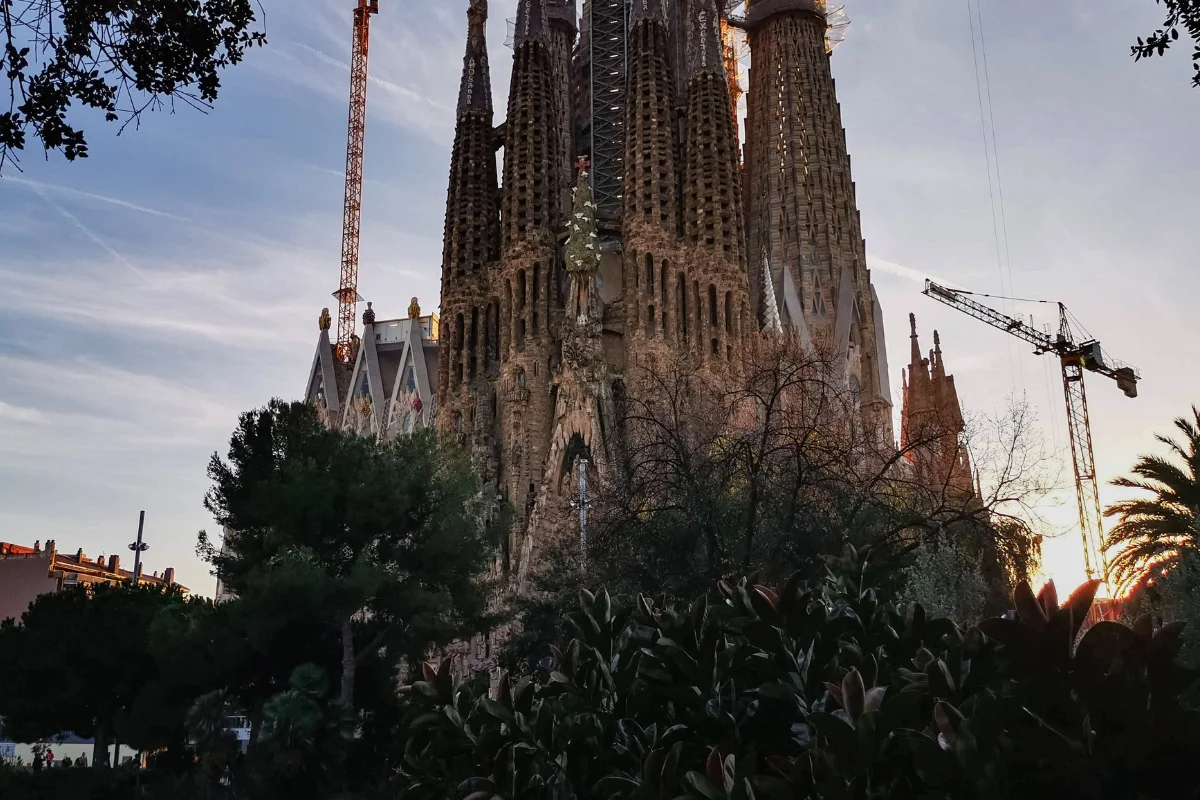
Rooftop Bars with Sagrada Família Views: Which One to Choose and How to Get In
The Sercotel Rosellón reservation system opens at exactly midnight, 7 days in advance, and the best sunset slots disappear in minutes. The 83.3 Terrace has Sagrada Família views exclusively from the smoking section, which decides your table. The Azimuth Rooftop at Hotel Almanac loans binoculars with interpretive information about the basilica. The view you want depends on which facade you're looking at: the Nativity (east, Gaudí's organic) or the Passion (west, Subirachs' angular). Guide organized by distance, facade angle and access mechanics.
 Architecture
Park Güell Barcelona, Tickets, Free Zone and Visit Guide
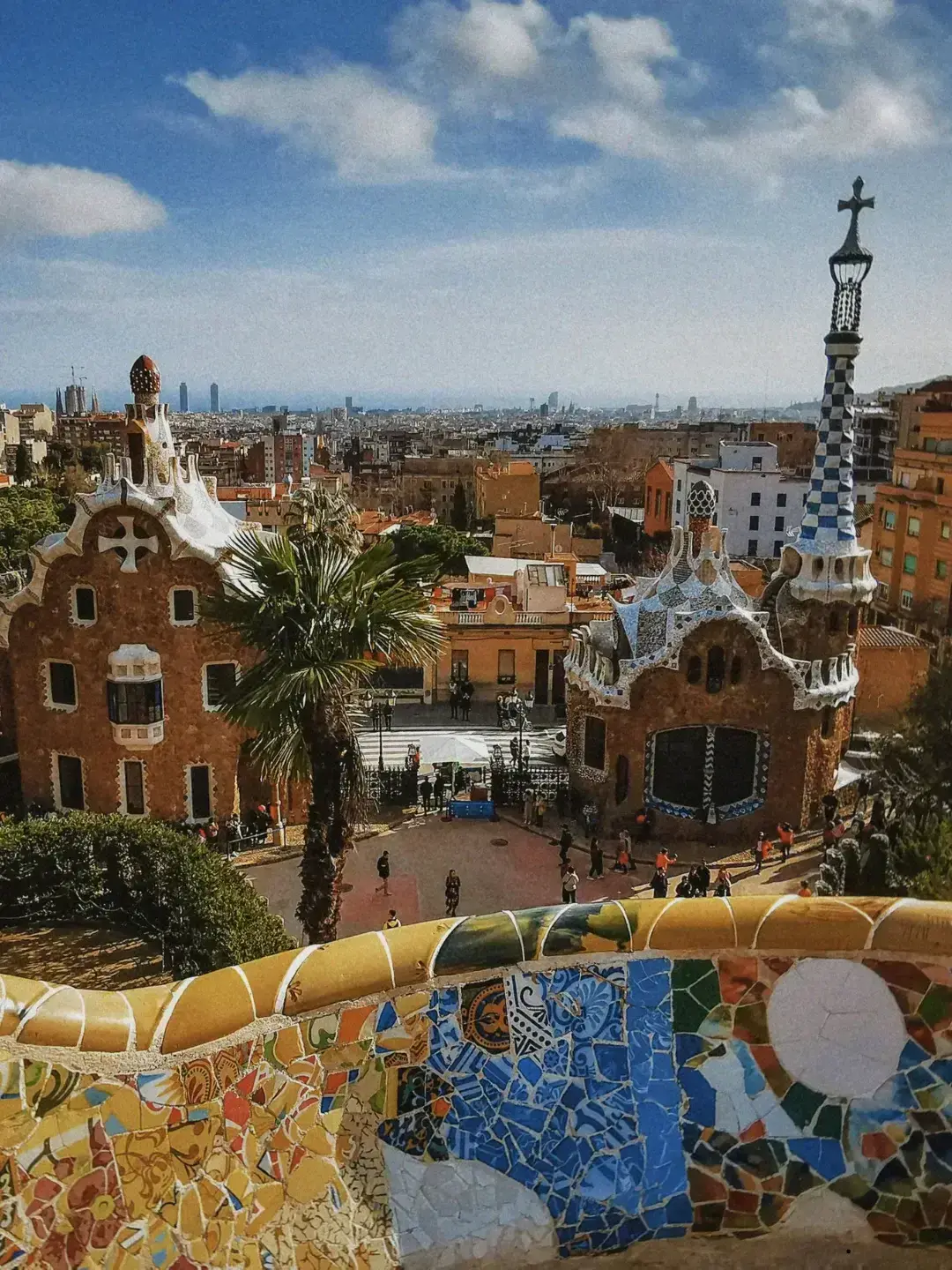
Park Güell is two parks wearing one name, and confusing them costs you money. The €18 Monumental Zone covers 12 hectares and caps entry at 1,400 visitors an hour, with €13.50 for children aged 7 to 12 and over-65s; the other 8 hectares are free and hold the Three Crosses viewpoint.
 Architecture
Best Streets in Barcelona, the Only Walking Guide You Need
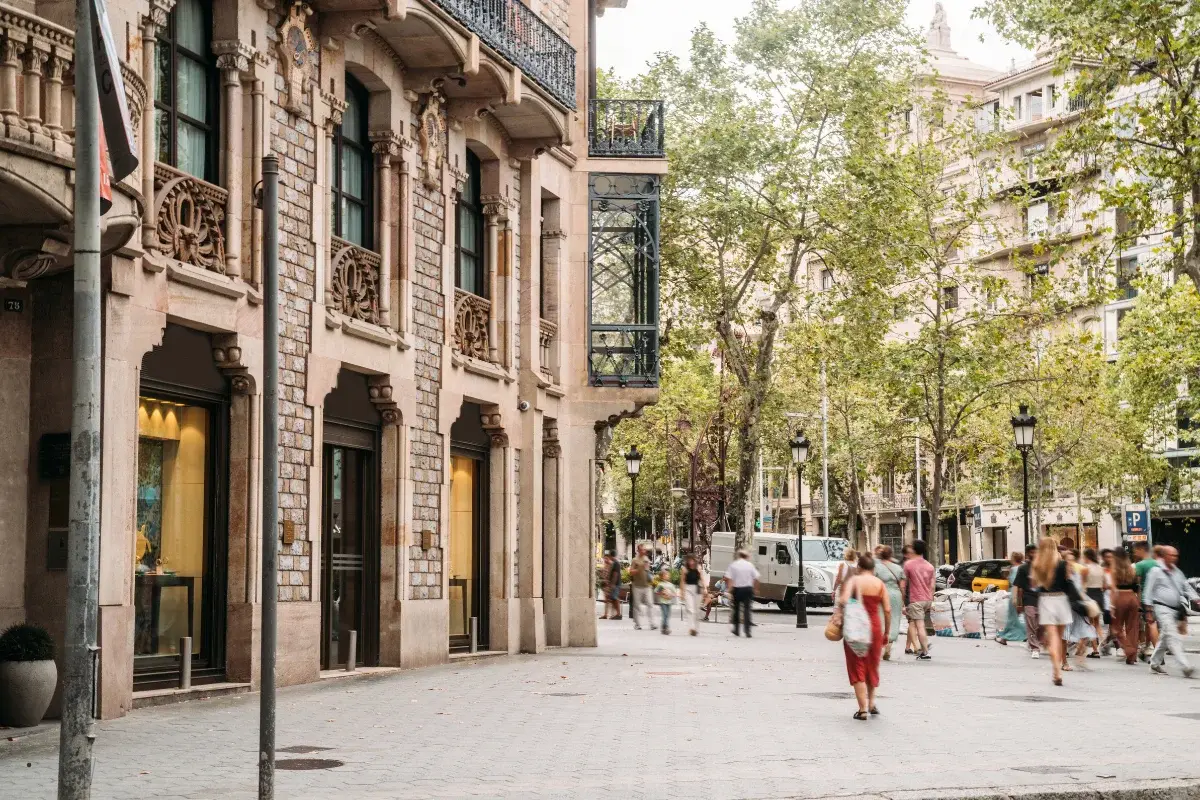
Time Out asked residents rather than tourists and the winner was Passatge d'Ibèria in Sants, ahead of Passeig de Gràcia, with Enric Granados second. The Pont del Bisbe that everyone photographs dates from 1928, by Gaudí's disciple Joan Rubió i Bellver, and is not medieval at all.
 Architecture
Casa Vicens Barcelona: Gaudí's First Masterpiece (Complete Guide)
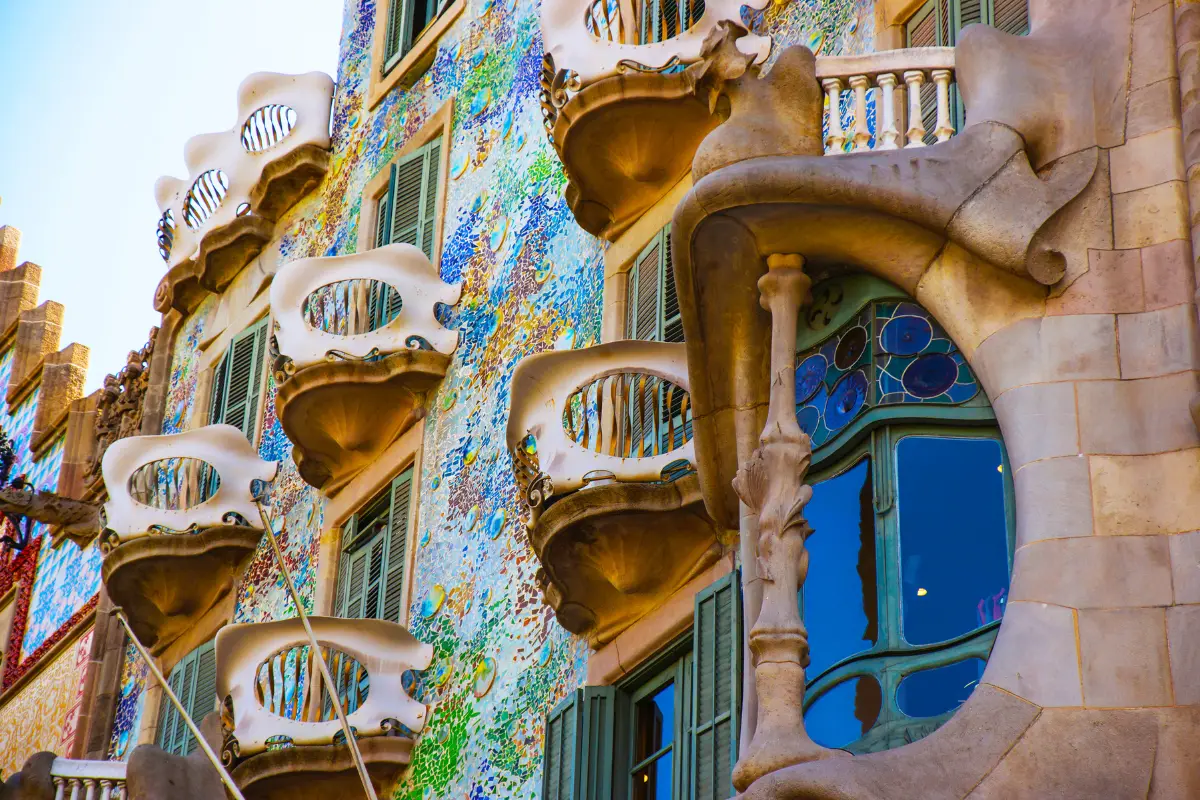
Casa Vicens stayed closed to the public for 130 years. Gaudí built it between 1883 and 1885, before everything else he is famous for, and it now takes about 200,000 visitors a year against more than a million at Casa Batlló. Entry starts at €18 and it rarely feels crowded inside.
 Architecture
The Most Beautiful Buildings in Barcelona, by Style
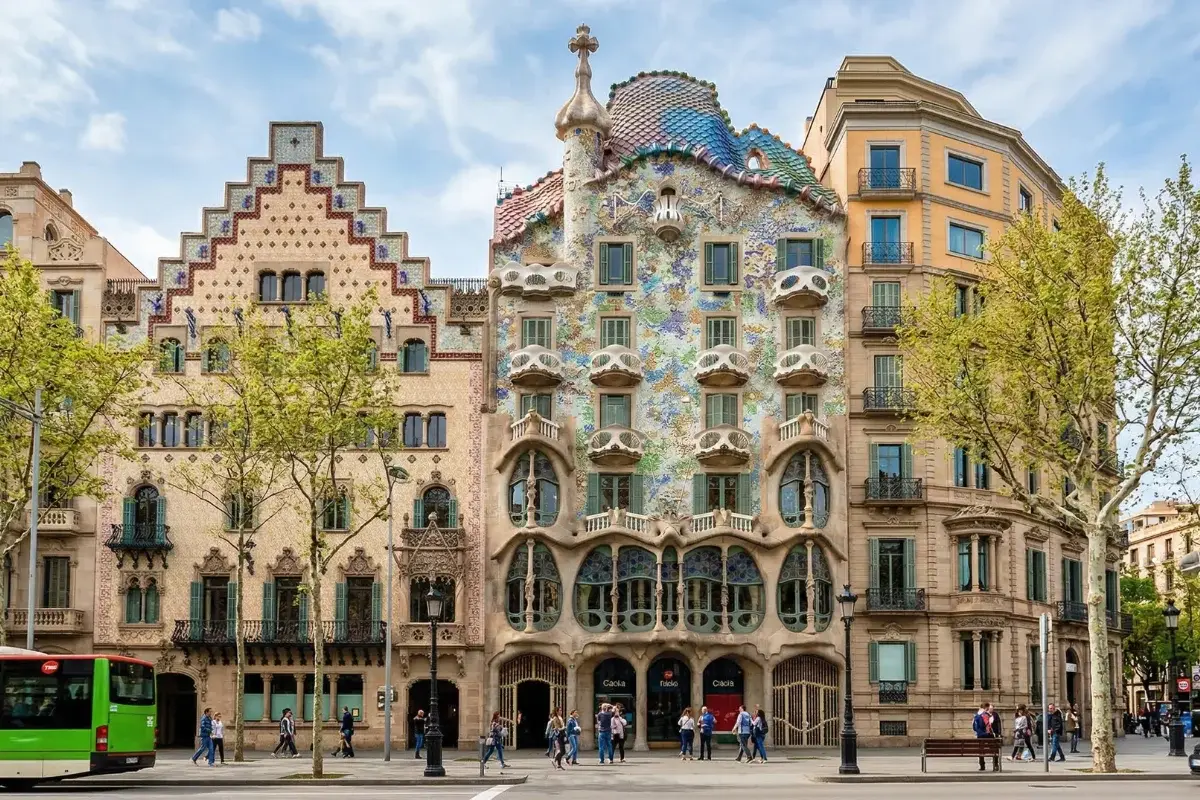
From the Sagrada Família — the world's tallest church since June 2026 at 172.5 metres — to the pure Catalan Gothic of Santa Maria del Mar and Jean Nouvel's Torre Glòries. A style-by-style guide to Barcelona's finest architecture, with verified data on each building, what to look for, and which ones you can see for free from the street.
 Architecture
Hidden Churches in Barcelona Worth Visiting
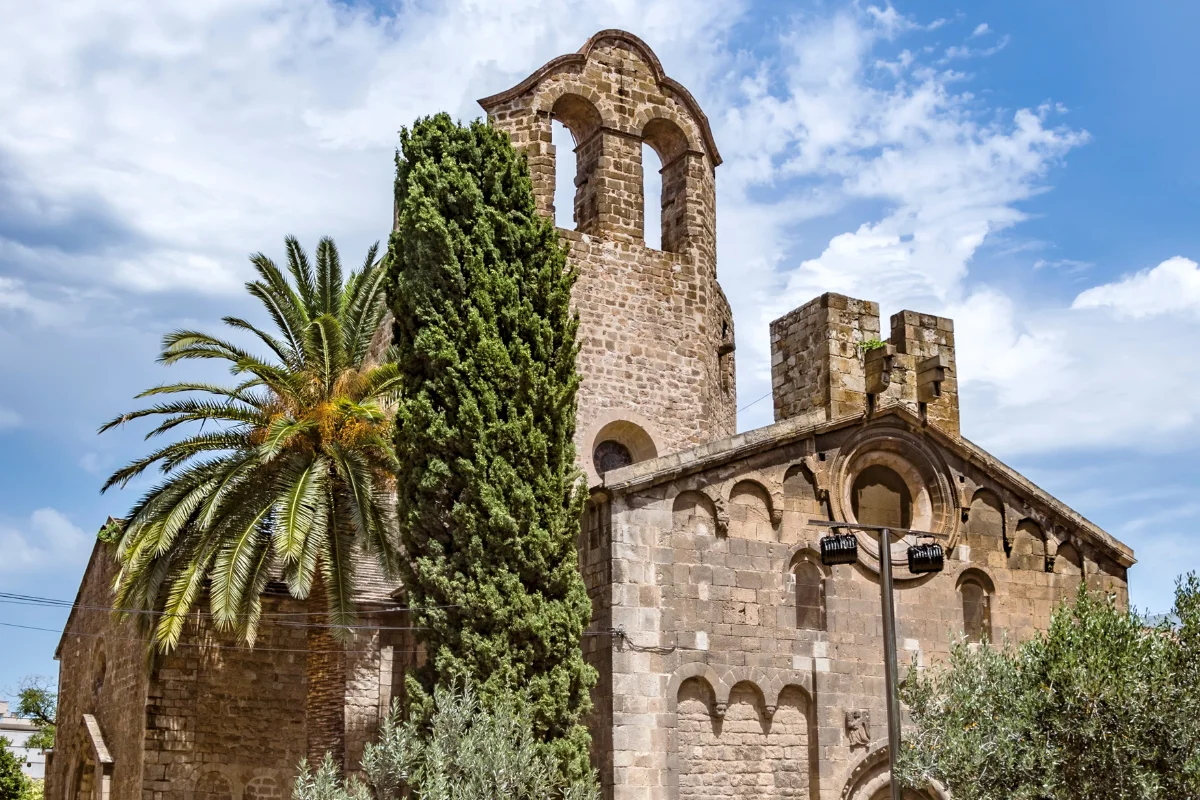
The Torre Girona chapel holds the MareNostrum supercomputer and admits 30 people at a time, free with booking. Sant Pau del Camp charges €6 for its Romanesque cloister, the Capella de Marcús dates from 1166 and opens only by appointment, and Santa Madrona opens one single day a year.
 Architecture
Barcelona Modernisme Route: The Complete Architecture Guide
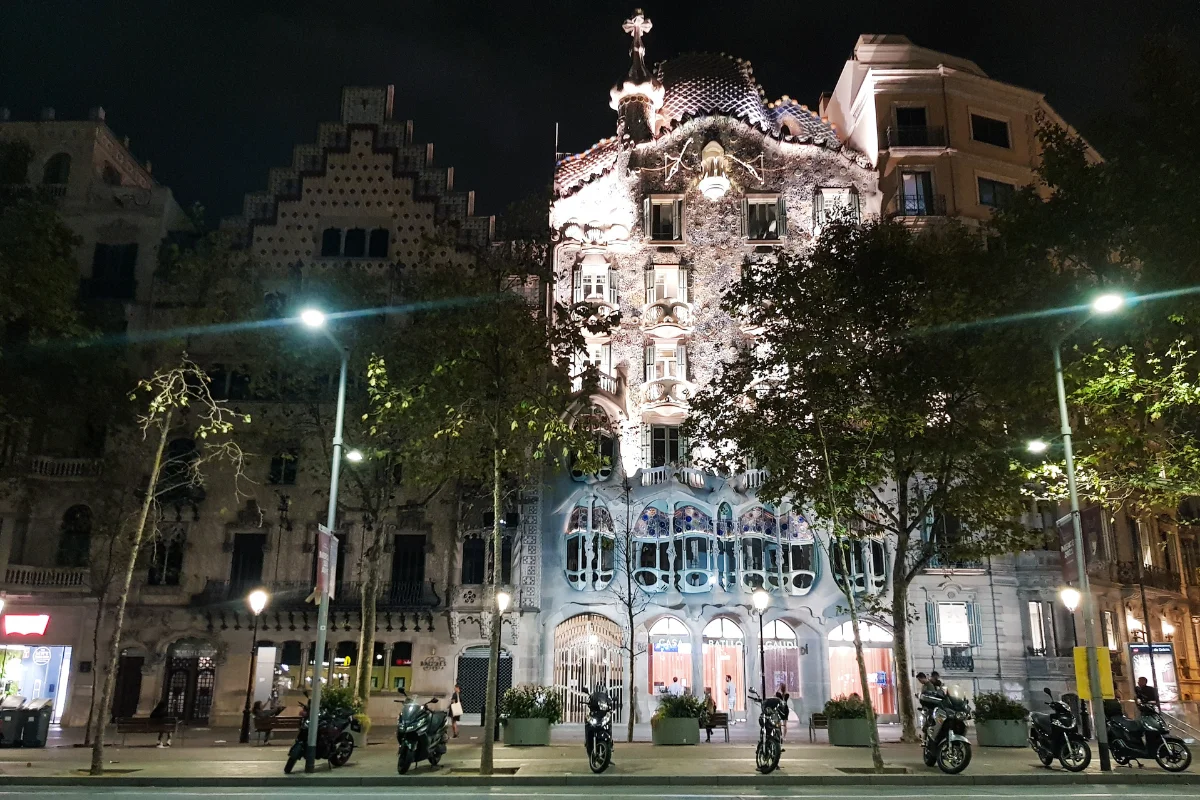
The Avinguda de Gaudí connecting the Sagrada Família and Sant Pau was deliberately designed so both facades are visible simultaneously. The Block of Discord has five buildings, not three. Palau Güell costs €12 and has almost no queues. Here's the route organized by geographic axis with real visit times and the optimal hour for each building.
 Architecture
Inside the Sagrada Família, Architecture, Symbols and Real Tips
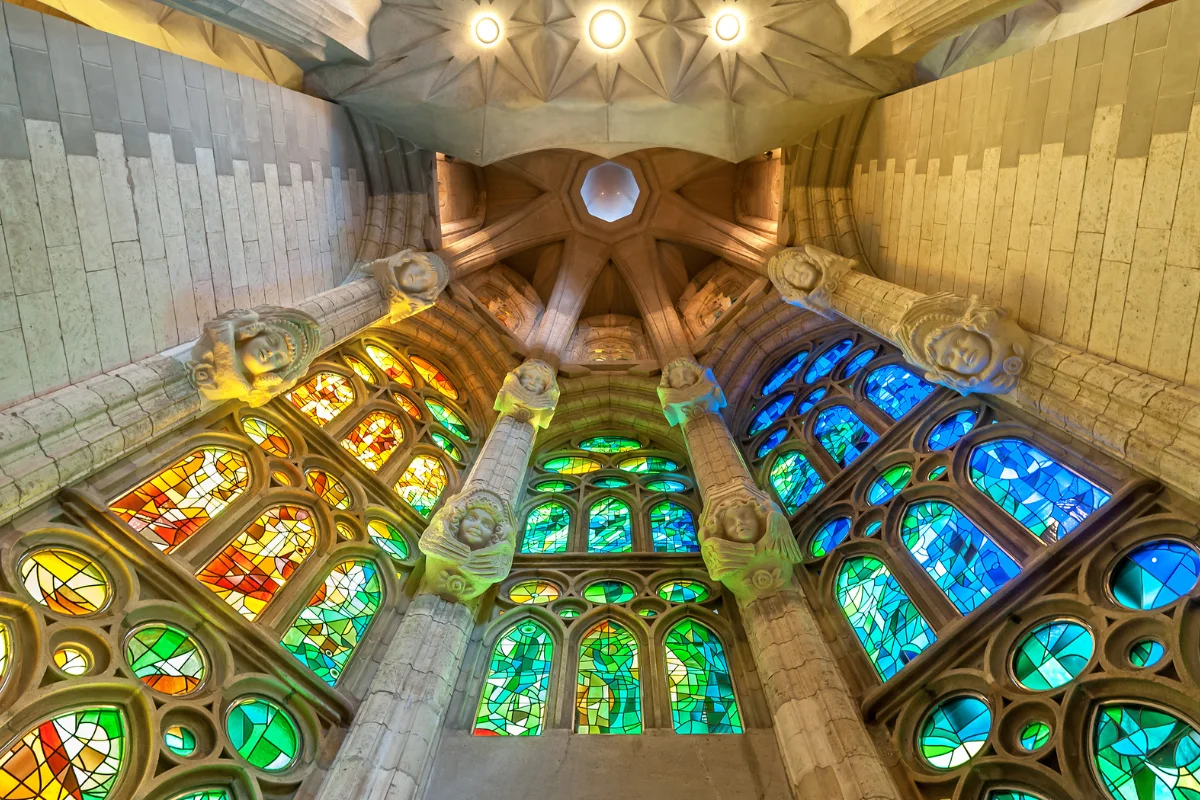
The interior works as a stone forest 45 metres high where columns branch like trees and light shifts from cold to warm along the solar axis. The east and west stained glass are not decoration but Gaudí's symbolic system for the life cycle. What to see in each facade, what each ticket includes from 26 to 40 euros, why the Hour of Silence changes the visit, and what you see from each tower.
 Architecture
Gaudí Route Barcelona: 1 and 2-Day Itineraries That Actually Work
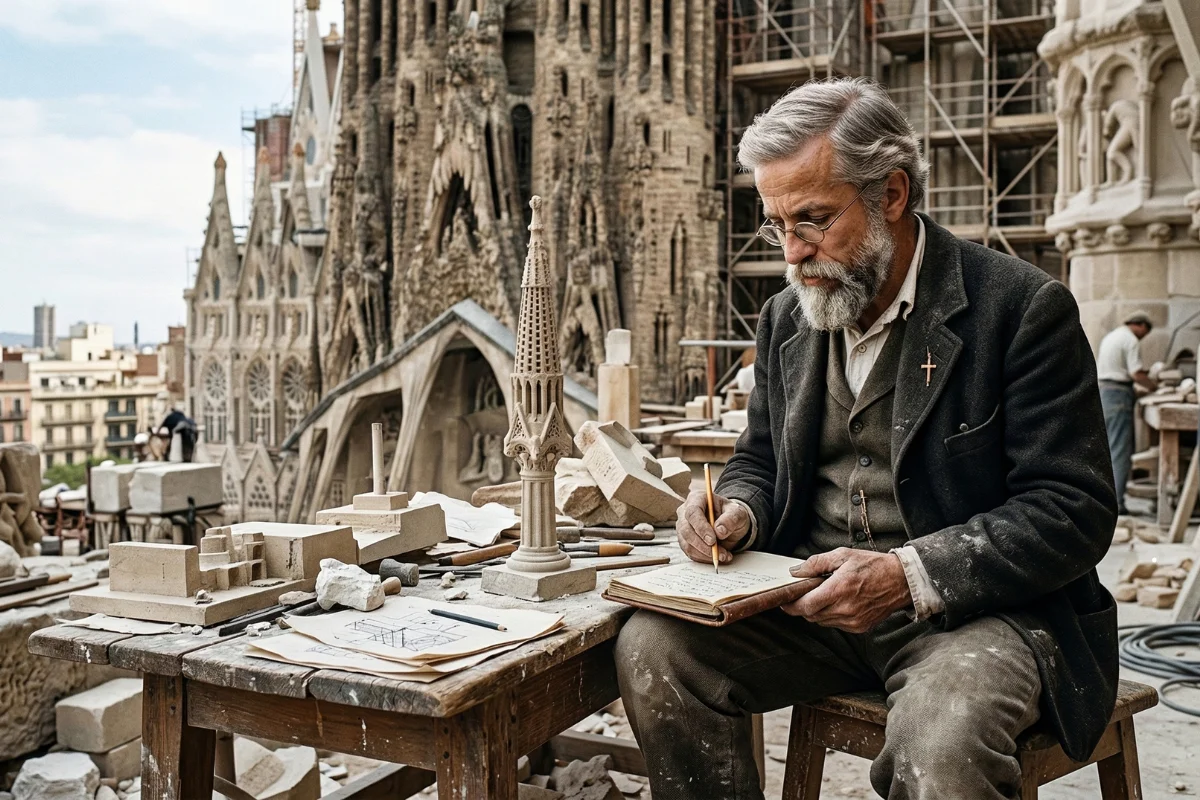
Gaudí left 7 UNESCO World Heritage buildings in Barcelona. The order you visit them changes everything — the Sagrada Família has different stained glass at 9:00 and 17:00. Palau Güell costs €12 and has almost no queues. Park Güell at midday is the worst time. Here's how to organize 1 or 2 days without wasting hours on the wrong sequence.
 Architecture
Most Beautiful Shops in Barcelona Worth Stepping Inside
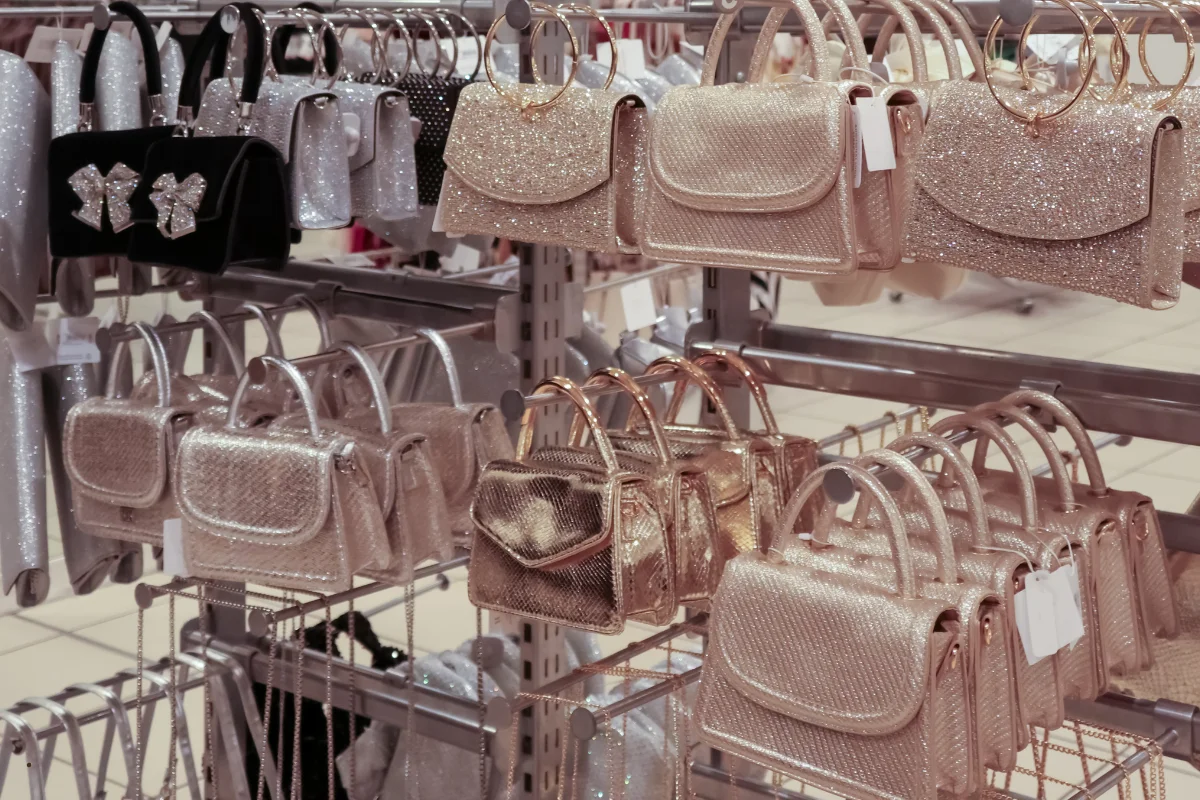
The oldest candle shop in Europe (1761). A jazz record store designed by the creator of the 1992 Olympics mascot. A pharmacy with stained glass windows still dispensing prescriptions. Barcelona's most beautiful shops — where the space is the reason to go, regardless of what you buy.
 Architecture
Casa Batlló Barcelona, the Complete Visitor's Guide
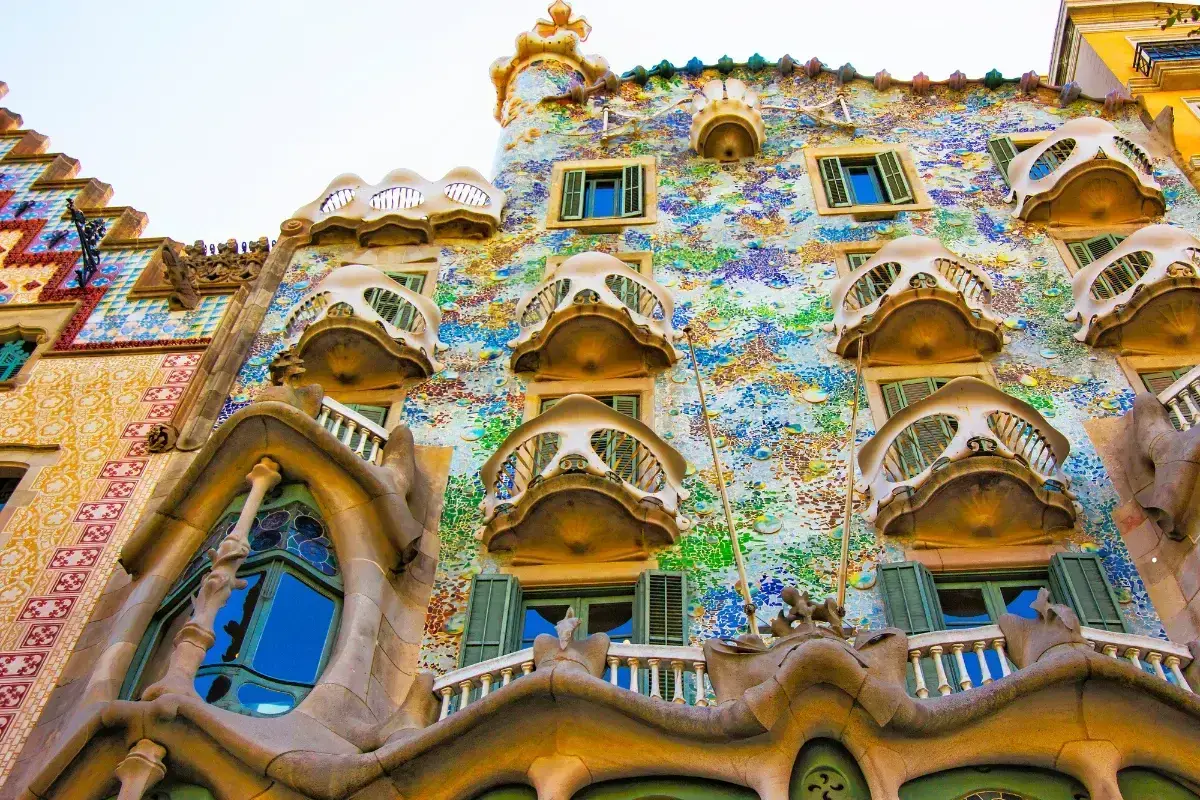
Since January 2025 the entry-level Blue ticket no longer includes the Dragon's Rooftop, which is the single most common booking mistake at Casa Batlló. Blue starts around €29, children under 7 go free, and the building rewards at least 90 minutes on a weekday morning rather than a rushed visit.